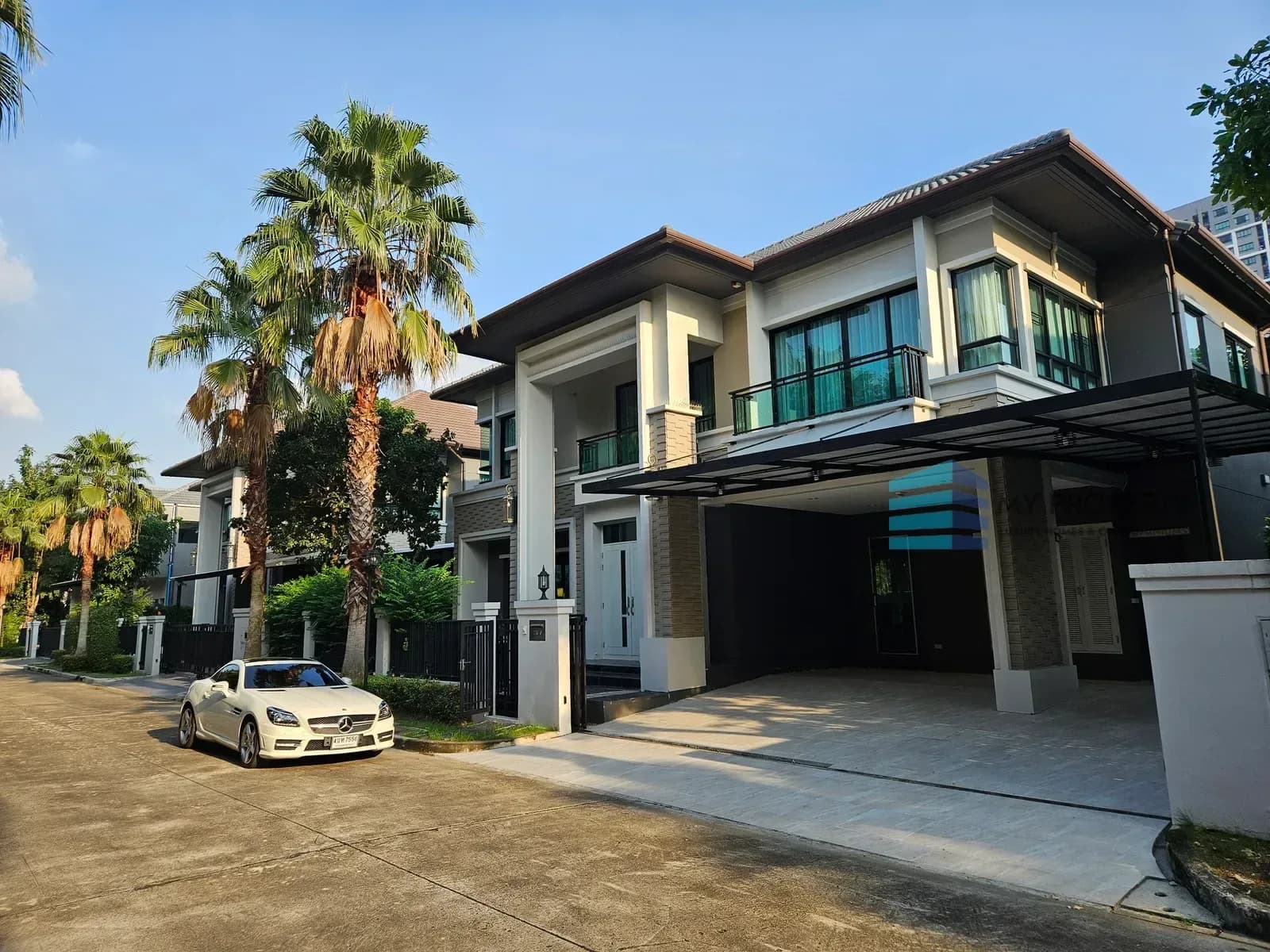
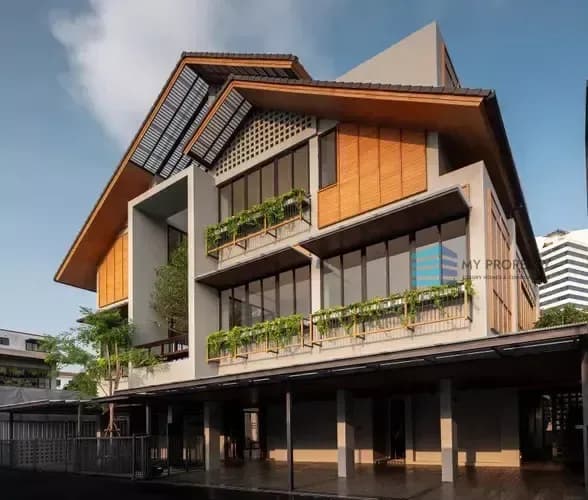
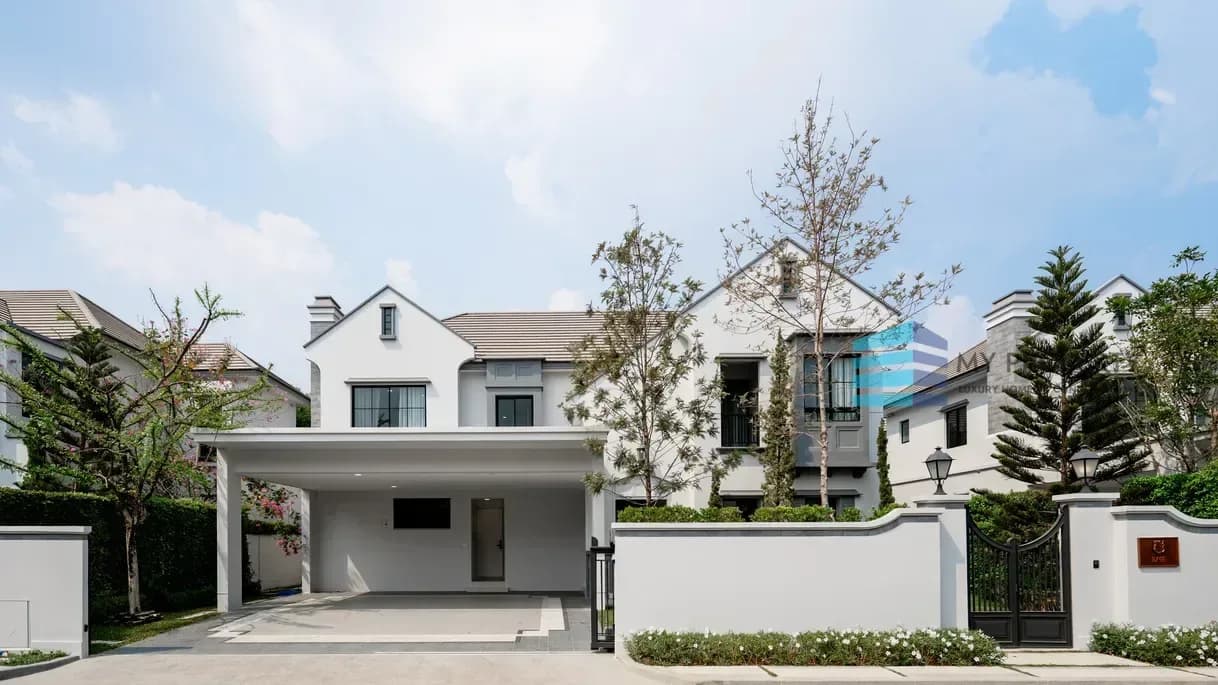
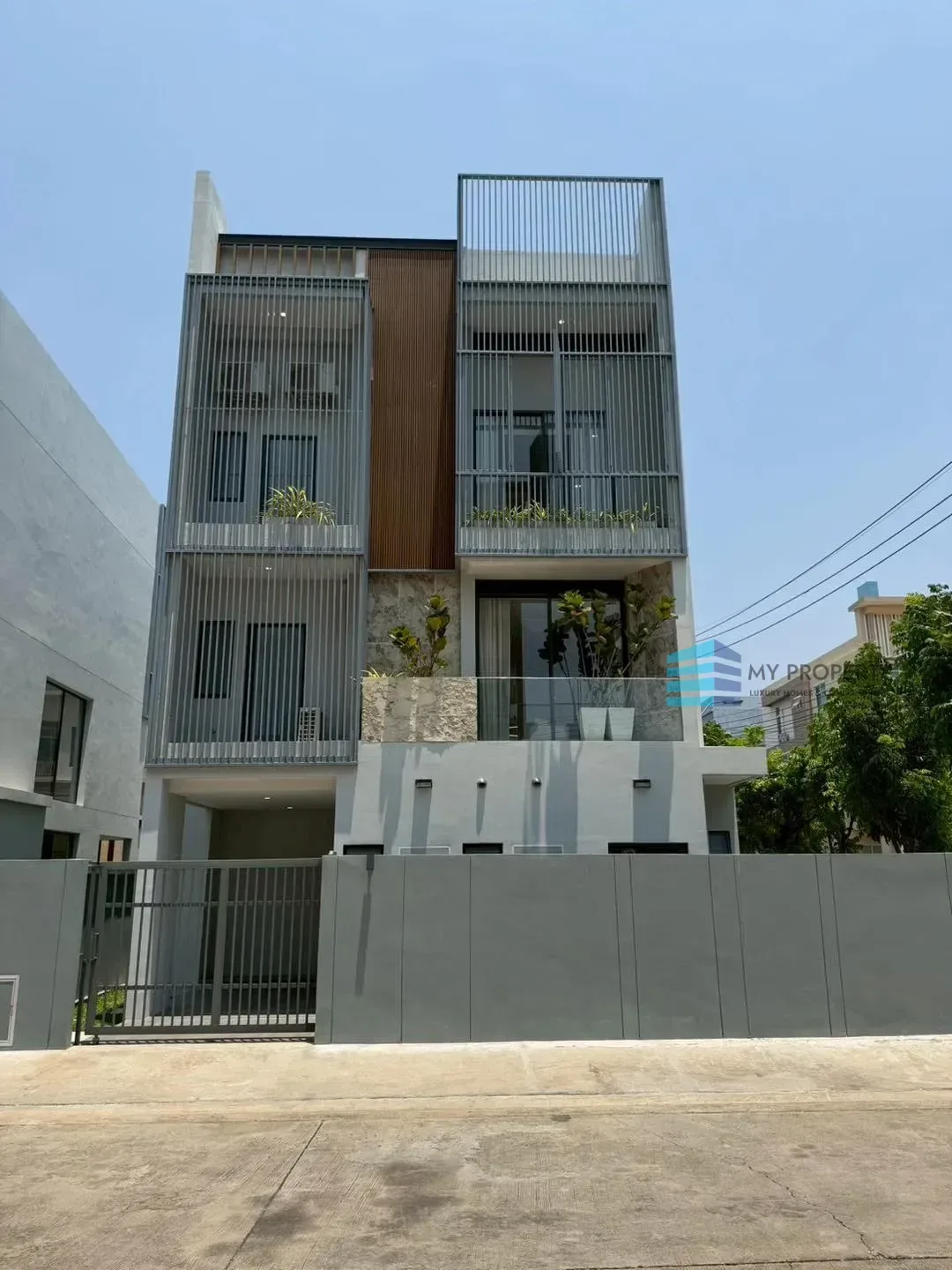
As green space shrinks in the city, a small garden in front of a townhouse or a corner of plants on a condo balcony makes a home noticeably more liveable — giving shade, reducing heat reflected indoors and offering a place to unwind after work. Many people start with good intentions and then lose plants one by one: wrong species for the light, wrong watering, or not understanding the space's limits. This guide helps a small garden survive and stay easy to care for in Thai weather.
Spend a day noting how many hours of direct sun the space gets and when. Six hours or more suits flowering plants and sun-lovers; half-day sun suits many foliage plants; shade or reflected light only — north-facing balconies or those blocked by neighbouring towers — suits low-light indoor plants. West-facing balconies baking in afternoon sun are the hottest; potted plants dry fast there, so pick drought-tolerant species and water more often.
| Light | Examples | Note |
|---|---|---|
| Full sun | Bougainvillea, desert rose, frangipani, vetiver, many succulents | Drought-tolerant; avoid overwatering |
| Half-day sun | Fiddle-leaf fig, gardenia, some ferns, kitchen vegetables | Good for east-facing balconies |
| Shade/low light | Snake plant, pothos, dieffenbachia, peace lily | Good for north-facing balconies or indoors |
| Vegetables and herbs | Holy basil, sweet basil, lemongrass, chilli, mint | Need at least half-day sun; genuinely useful in the kitchen |
For a small front lawn, choose a grass suited to the light — some need full sun all day. In shady spots, groundcovers, gravel or stepping stones may be easier to maintain.
Balconies are designed for limited loads. Large terracotta or concrete pots full of wet soil are very heavy; choose lightweight plastic or fibreglass pots and lighter potting mixes than pure soil, and place heavy pots against the building wall rather than at the balcony edge.
Make sure watering doesn't run onto the balcony below or drip into common areas; use saucers and keep the balcony drain clear of soil and leaves. Many buildings forbid hanging pots outside the railing, permanent structures, or plants above a set height, because pots or plants can fall in strong wind, especially high up. Read the regulations before planting.
Watch two things in the rains: root rot from waterlogged pots — make sure pots have drainage holes and saucers don't stay full — and mosquitoes, which breed in water held in saucers, leaf axils and containers. Empty saucers regularly or fill them with sand to reduce standing water.
Beware species with wide, aggressive roots that can lift paving, fences or drains, and check estate rules. Choose shrubs or small-to-medium trees whose roots won't damage structures.
Yes. Plants shading walls or windows reduce heat entering, and transpiration lowers surrounding temperatures — especially on the west and south sides.
Attractive and space-saving, but they need good irrigation and waterproofing of the wall behind, or damp problems follow. Have an experienced installer design one.
Small gardens survive when plants match the sun, pots suit the space, drainage is managed and irrigation helps while you're away. A few square metres of green make a home more liveable and more appealing when selling or letting. More home-styling ideas on the MyProperty blog.
Was this article helpful?
Hand-picked listings related to this article
 Lifestyle
More Thais live alone than ever — young professionals, the never-married, divorced and widowed. Choosing the right size and type of home, safety and emergency planning, buying on a single income, running costs, community and the small design choices that make a one-person home comfortable.
 Lifestyle
As the cool season approaches, fine-dust levels in Bangkok and the North typically rise. How to keep indoor air cleaner: choosing and sizing purifiers, sealing a house or condo, ventilating without letting dust in, air-con filters, indoor pollution sources, checking air quality, and what plants can and can't do.
 Lifestyle
Charging an EV overnight at home is the cheapest and most convenient option — if the house is ready. Portable versus wall chargers, checking meter and main capacity, dedicated circuits and the right residual-current protection, applying for a time-of-use meter, and calculating whether it saves money for your household.