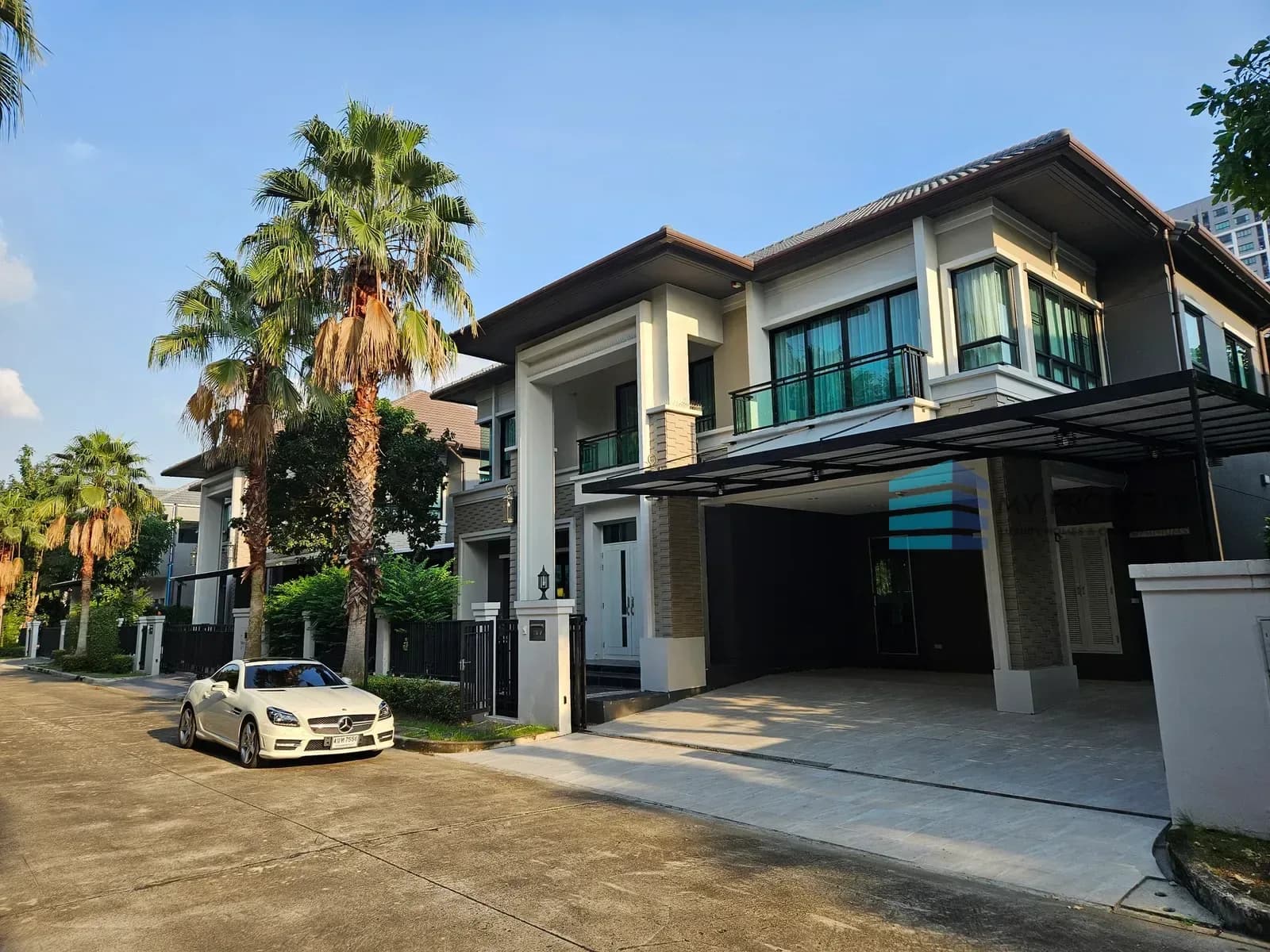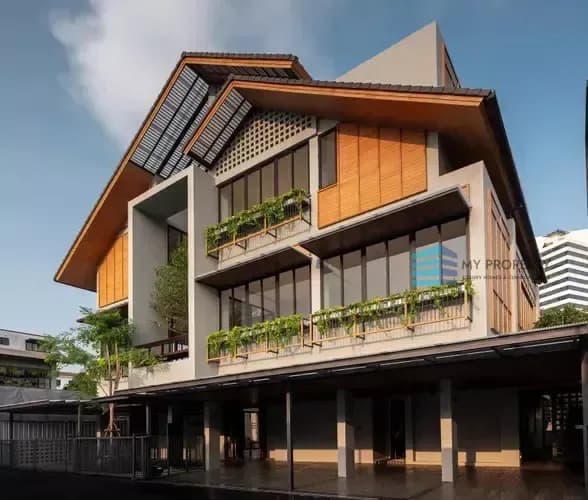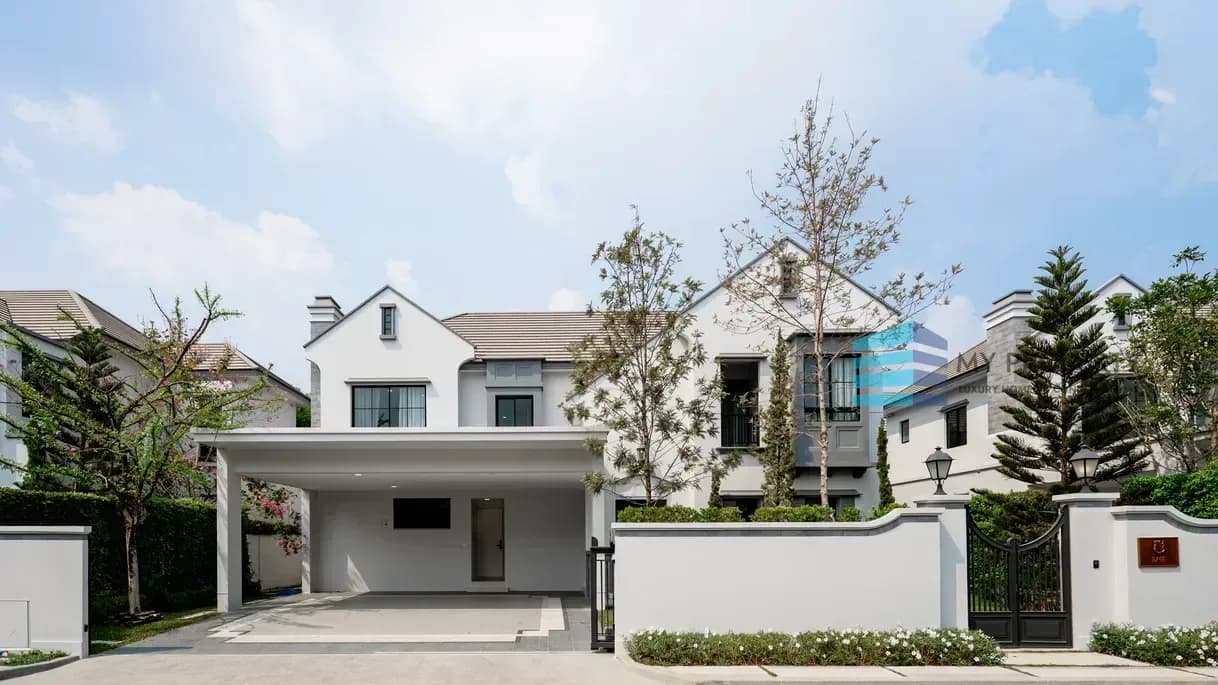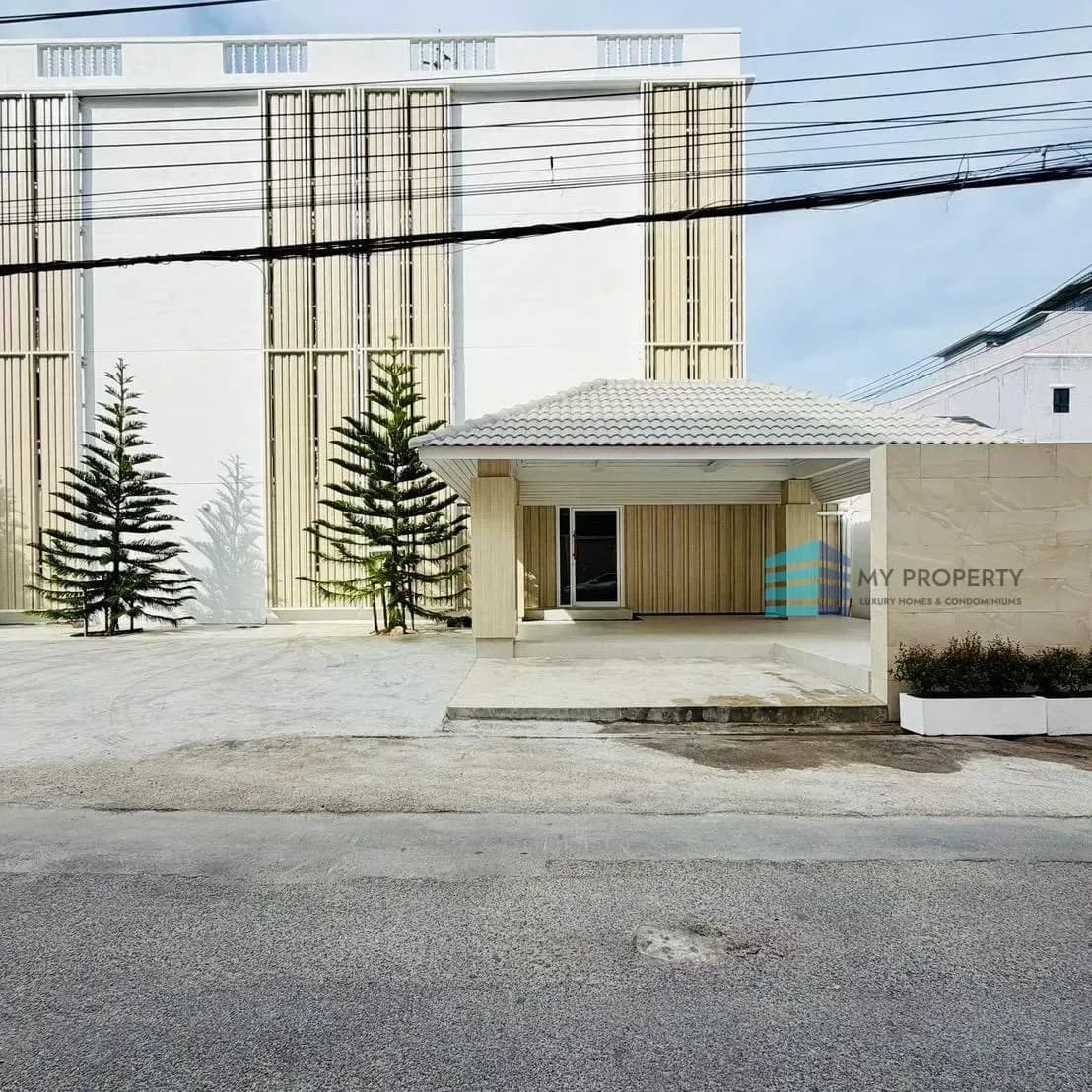

Many people inherit old houses from their parents or buy affordable second-hand homes to renovate, but don't know where to start. Today we're sharing a comprehensive guide to renovating old houses in Thailand -- from planning to choosing the right contractor.
Before anything else, assess the home's condition. We recommend hiring a structural engineer, which costs about 5,000-15,000 THB. They'll tell you:
Money is the most critical factor. Typical renovation costs in Thailand break down as follows:
For a 150 sqm house with a medium renovation, the budget comes to 1.2-1.8 million THB. We recommend adding a 20% buffer for unexpected costs -- old houses inevitably reveal hidden problems once you start opening up walls.
For comparison: buying a second-hand home at 3-4 million THB and spending 1.5-2 million on renovation totals 5-6 million -- potentially much better value than buying a new home at 7-8 million THB in the same location.
Renovation must follow the right order. Doing things out of sequence wastes money unnecessarily:
Start with the heaviest work first. Reinforce columns, beams, and foundations. Any extensions should happen now. This phase accounts for about 30-40% of the total budget.
Run new electrical wiring, plumbing, drainage, and AC piping. This must be done before closing up walls. Budget about 15-20%. Never cut corners here -- problems later mean tearing out walls again.
Plastering, ceiling work, tiling, and installing door and window frames. Budget about 20-25%.
Painting, flooring, fixtures, and built-in furniture installation. Budget 15-25%. Choose materials suited to Thailand's climate. Exterior paint should be heat-resistant formula.
This is crucial -- contractors abandoning jobs or delivering poor quality is extremely common in Thailand:
Renovating an old house is both science and art. It requires careful planning, a trustworthy team, and budget reserves. But when done right, the results are incredibly rewarding -- you get a home that's exactly what you want, at a lower price than buying new in the same area. If you have questions or want to consult with our team, feel free to reach out.
Was this article helpful?
Hand-picked listings related to this article
 Tips & Guides
One title deed, four sibling names — Thailand's most common inheritance situation and its quietest time bomb. How co-ownership really works, the subdivision process step by step, and the three exits when someone wants out.
 Tips & Guides
A red line on a government map can cut through your land years before any bulldozer arrives. How Thai expropriation actually proceeds, what compensation covers, the appeal windows that matter, and the pre-purchase checks.
 Tips & Guides
No payslip doesn't mean no mortgage. How banks actually assess freelance income, the 12-month bank-statement discipline that changes everything, and why paying tax is the highest-return investment a freelancer can make.