Nakhon Ratchasima, or Korat, is Thailand's largest province by area and the gateway between the Central Plains and the Northeast. Its economy ranks among the region's biggest, spanning agriculture, industry, trade, education and tourism in Pak Chong district, home to Khao Yai. Korat has been talked up as a beneficiary of major infrastructure — the motorway from Bang Pa-in and the Bangkok–Nakhon Ratchasima high-speed rail — drawing interest from outside investors. This guide separates real demand from expectations still waiting to materialise.
Korat's housing market is driven mainly by locals: working families buying first homes; civil servants and state-enterprise staff, numerous because Korat hosts regional agencies, and comparatively easy for banks to approve; business owners and traders buying homes or shophouses; students at the city's several universities, underpinning dormitory and rental-condo demand; workers in surrounding industrial zones; and Isan natives working in Bangkok who buy homes to return to later.
| Area | Character | Suits |
|---|---|---|
| Town centre (old moat area, major malls) | Near jobs, government offices, malls; high land prices | Shophouses, city condos |
| Mittraphap Road corridor | Main highway, malls, many estates | Car-owning families |
| City ring road corridor | Newer, affordable projects; larger plots | First-time buyers |
| Around universities | Dormitories, apartments, small condos | Student-rental investors |
| Pak Chong–Khao Yai | Holiday homes, resorts | Bangkok second-home buyers |
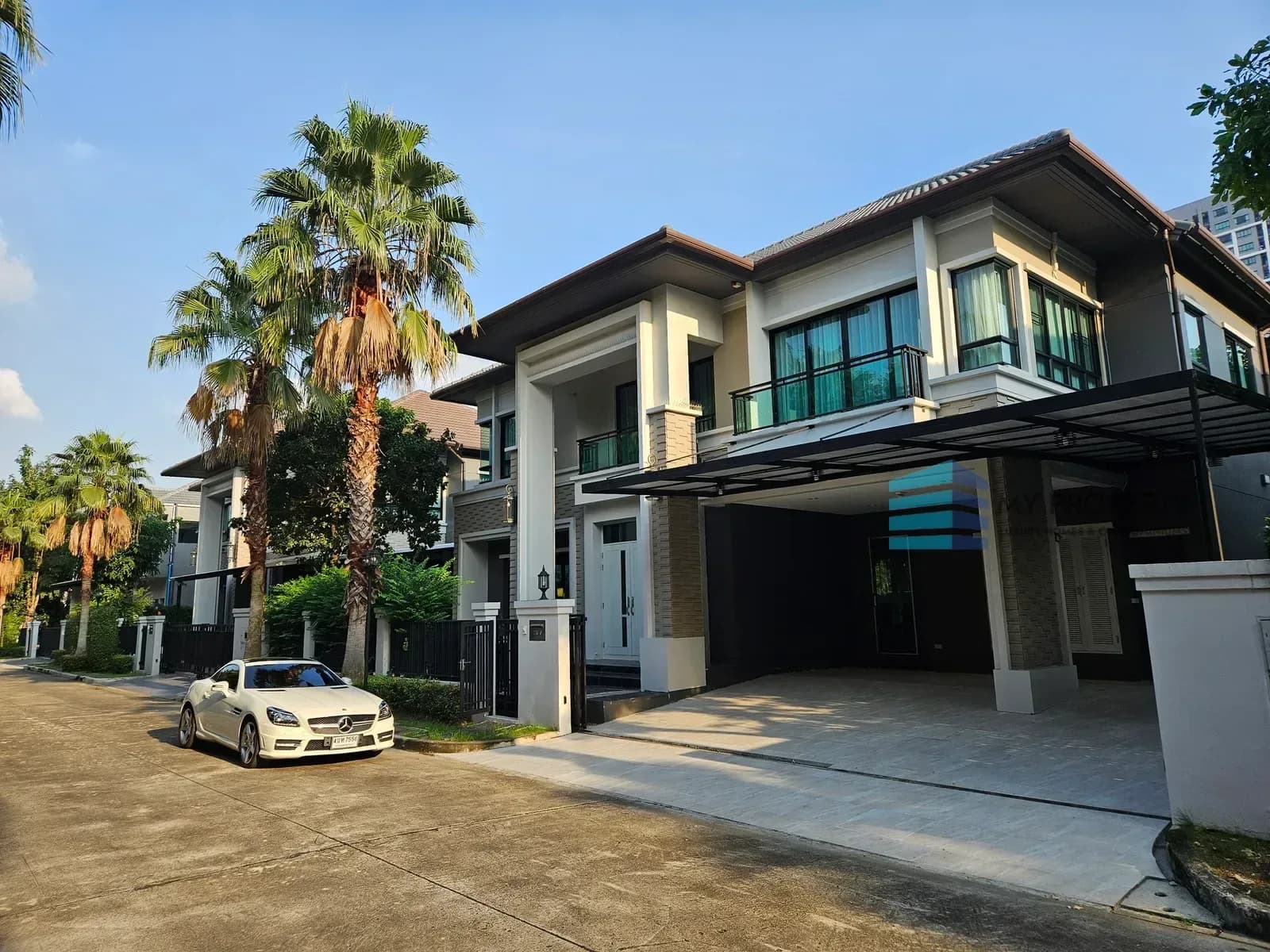
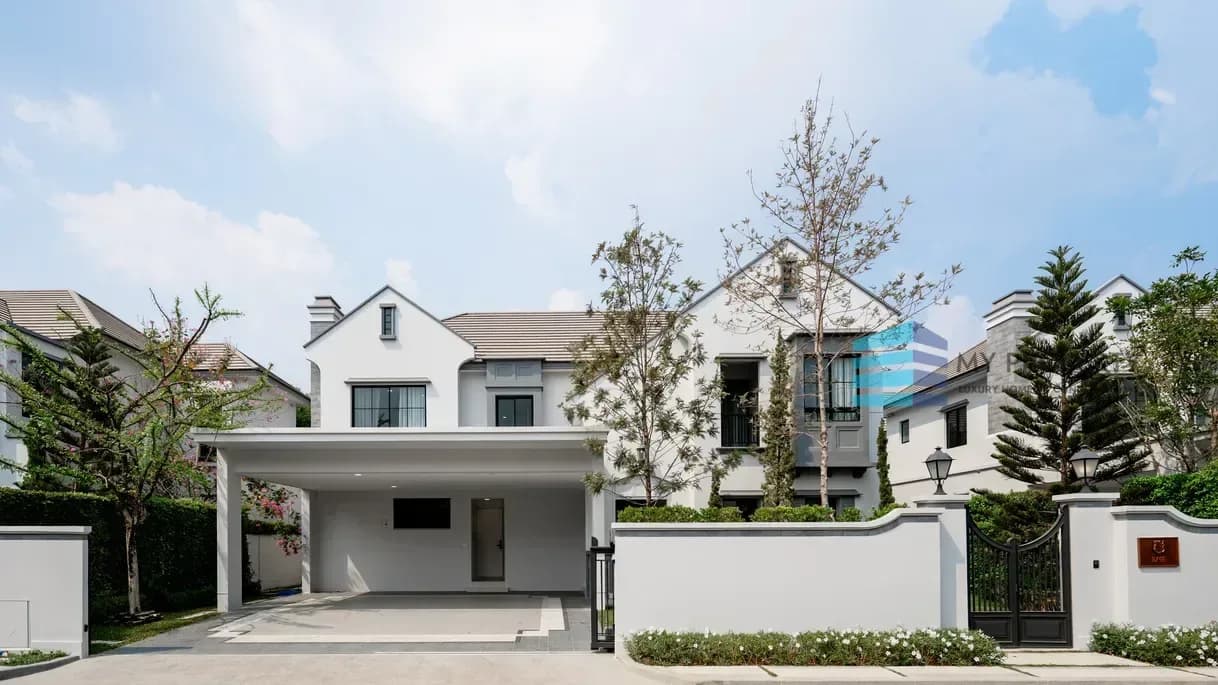
Unlike Bangkok, where condos are workers' main option, most Korat residents still want detached houses or townhomes with space and parking, since land is affordable and travel is mostly by car. Condos are a niche — near universities for students, or in town for young professionals and people posted temporarily. Investors expecting Bangkok-style condo returns should study rental demand around the specific project carefully.
The Bangkok–Nakhon Ratchasima high-speed line has had a long construction period. Once running, it will cut journey times dramatically and may make occasional Bangkok round trips practical from Korat. The Bang Pa-in–Nakhon Ratchasima motorway, opening in stages, makes driving easier and more predictable. Both are clear long-term positives, but buyers should note two things: land around some station sites has already risen on expectations, and real housing demand follows new economic activity — relocating businesses, more tourism — not merely the existence of a station.
Land close to several station sites has already risen. Buying now requires readiness to hold long and a plan to use the land meanwhile, since vacant-land tax rises over time.
Possibly, with a local caretaker and a location with real tenants, such as near government offices or universities. Remote management has costs, and provincial house rents relative to prices may be lower than expected.
They are generally easier to approve and have access to welfare loans through state banks at friendly rates. Ask your agency and banks with welfare agreements.
Korat has a real demand base from a large, diverse local economy, and new infrastructure is a long-term tailwind. Separate existing demand from future expectations, choose assets that work for local residents, and don't prepay for hope. Browse provincial homes and land at MyProperty listings.
Was this article helpful?
Hand-picked listings related to this article
 Market Insights
Khao Yai has become Bangkok's favourite mountain weekend escape, filled with villas, cafés and resorts. Who buys here, the seasonal rental reality, why land-reform plots and unclear titles are the biggest risk, zoning near the national park, holding costs and a buyer's checklist.
 Market Insights
Thailand has become an aged society, and demographics move property markets slowly but relentlessly. Which home types gain and lose, the rise of downsizing and senior living, more inherited homes coming to market, fewer young first-time buyers, and what buyers, developers and investors should do about it.
 Market Insights
Hat Yai is southern Thailand's largest commercial city, drawing students, traders, medical patients and Malaysian visitors. How demand is structured, the main residential and commercial zones, the role of flood risk in pricing, and what buyers and investors should check in this distinctive provincial market.