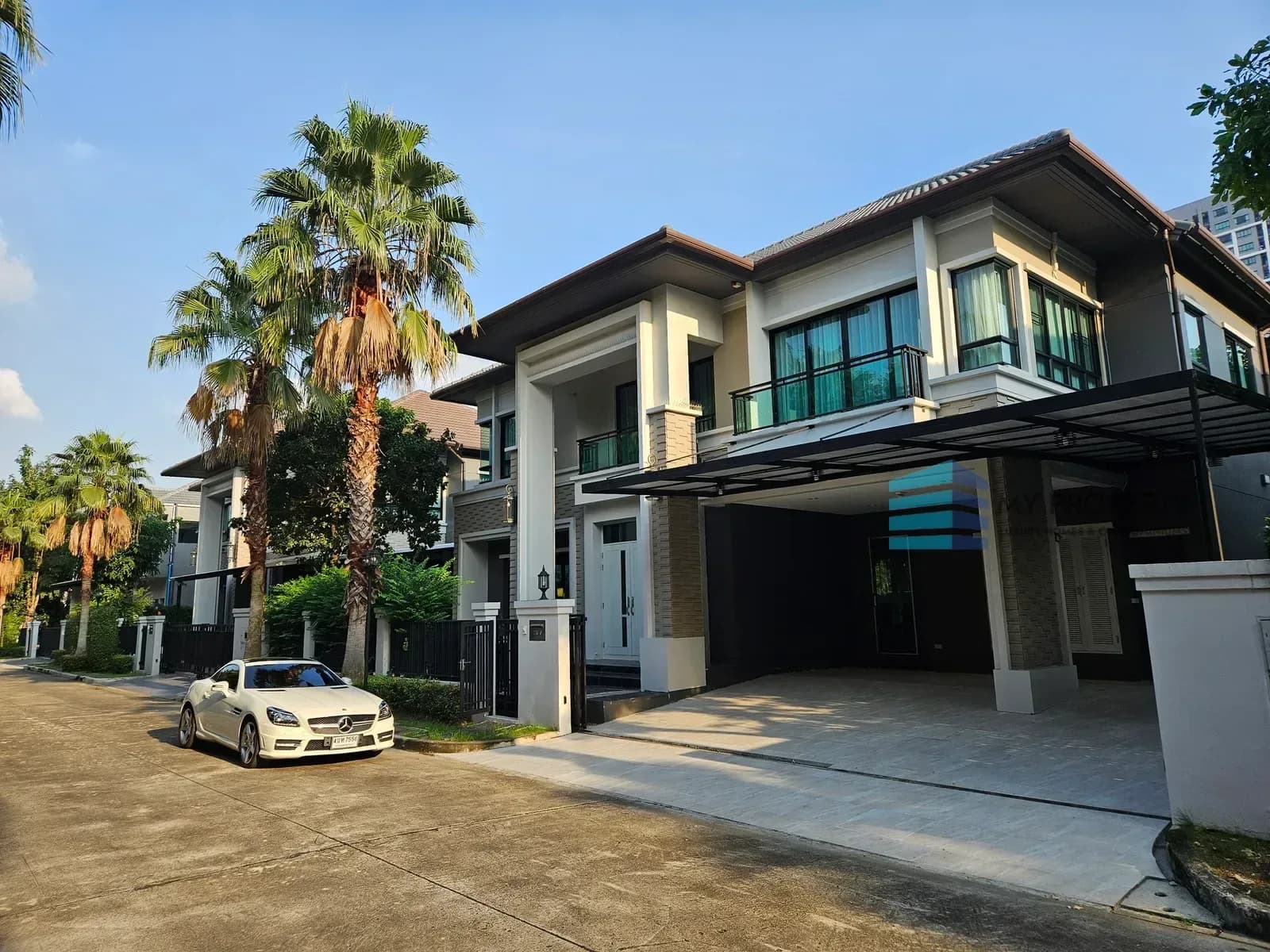
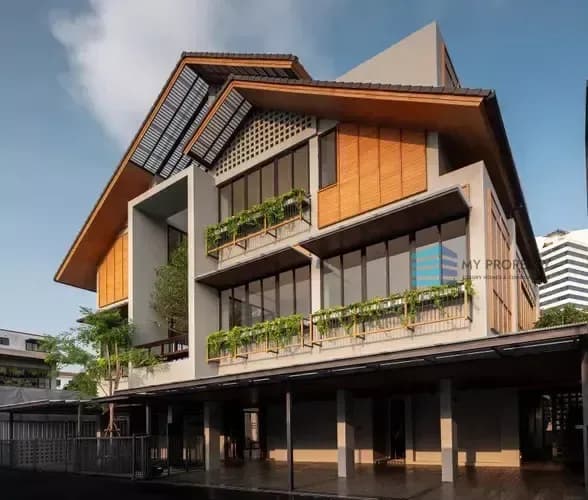
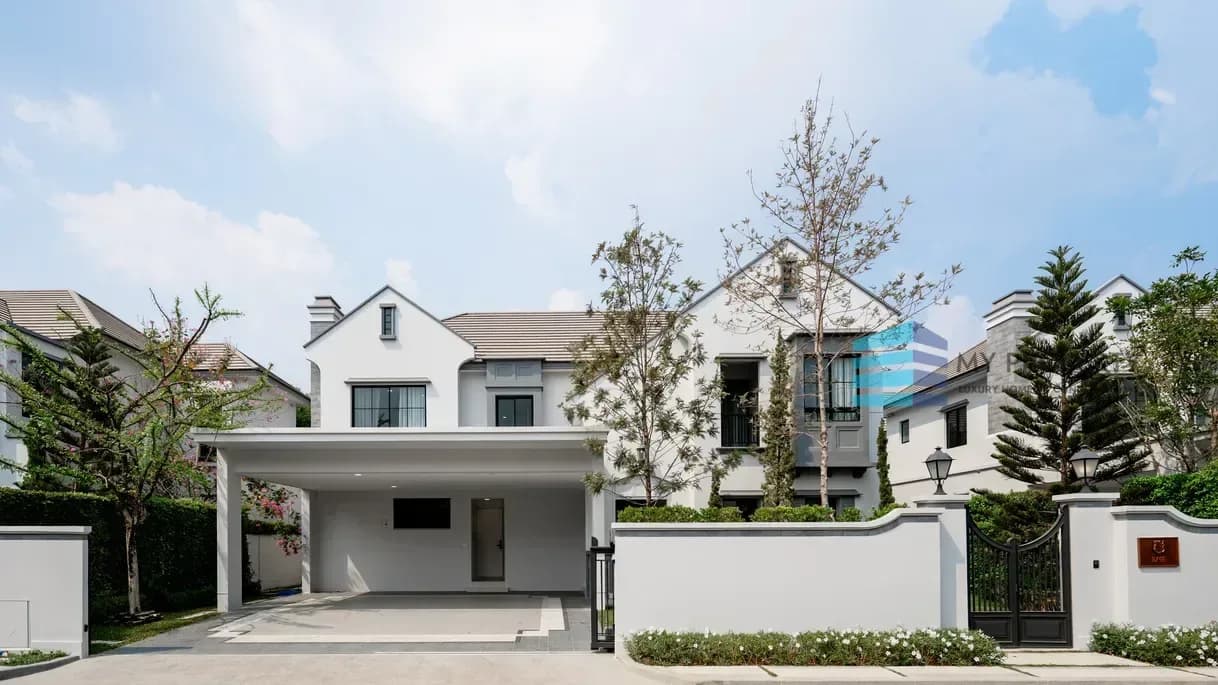
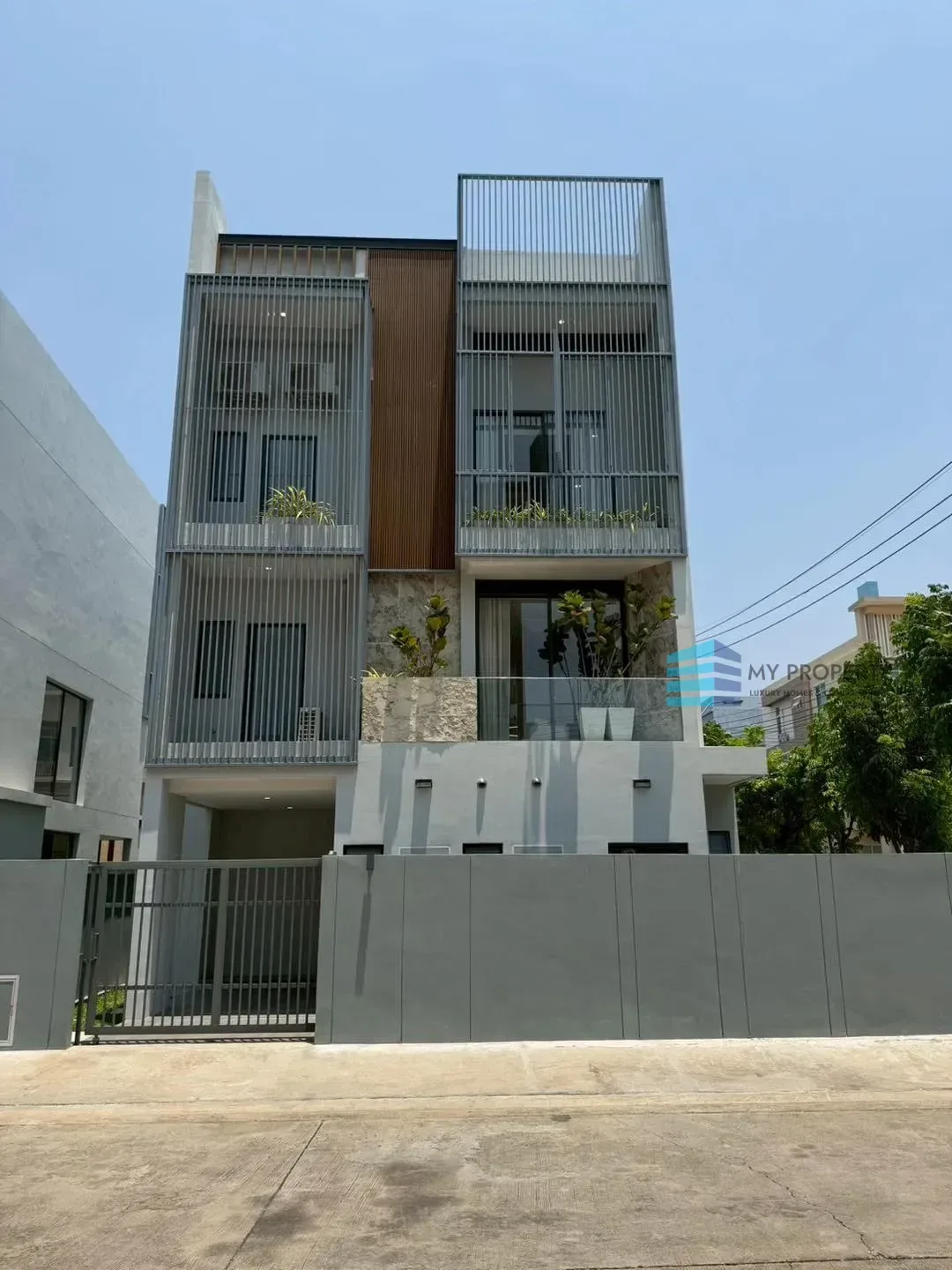
Over the past decade-plus, Khao Yai and Pak Chong in Nakhon Ratchasima have shifted from a destination for nature lovers visiting the national park to one of the country's busiest holiday-home areas. A few hours' drive from Bangkok, cooler late-year air, mountain scenery and plenty of restaurants, cafés, vineyards and attractions have fuelled a steady rise in villas and pool villas. For anyone dreaming of a mountain second home, Khao Yai comes to mind first — but this market has specific traps.
Mainly Bangkok families wanting weekend and holiday homes; people planning retirement somewhere cooler yet close to Bangkok; entrepreneurs buying land for resorts, cafés or rental villas; and investors hoping for returns from letting pool villas to tourists. Each group's needs differ, and so does how a property should be assessed.
Much land around Khao Yai and Pak Chong lies within agricultural land-reform zones, intended for farmers to cultivate, with restrictions on who may hold it, transfers and use. Buying such land to build holiday homes or resorts carries high legal risk, and authorities have previously investigated and acted against structures on land of this kind. There is also land held only under tax-payment or possession documents, which aren't title, and land that may fall within forest or state-reserved areas. Buy only land with a full title deed, check documents at the Land Office yourself, and confirm the plot doesn't overlap national park or reserved forest boundaries.
Areas around the national park have zoning and land-use rules that may limit business types, building heights and sizes to protect the environment and scenery. Before buying to build or operate a business, check the zoning applying to the plot and ask the local authority about building permits.
| Period | Demand | Consider |
|---|---|---|
| Cool season and year-end festivals | Very high; high room rates | Advance bookings; compete on quality and experience |
| Long weekends year-round | High | Main income outside the cool season |
| Weekdays and rainy season | Low | Low occupancy while upkeep costs continue |
Pool-villa and rental-home supply has grown sharply, so competition is stiff, and daily letting must be registered or licensed under hotel law depending on size. Average annual income after cleaning, management, platform commissions and pool and garden upkeep is usually lower than expected. Those who do well here typically buy mainly for their own use and let the home when they aren't there to offset costs.
Mountain homes without permanent occupants need caretakers for cleaning, garden and pool care, storm-damage checks and security. Humidity and insects in forested areas age closed-up homes quickly, and electricity for pool pumps and systems runs even when unused. Total the year-round holding cost before deciding.
For return-focused investors, usually less than expected given uneven occupancy and high management costs. For people wanting personal use who let it while away, it can be sensible.
Don't buy on that hope. Land-reform land is legally restricted, and policy changes haven't made it safe for ordinary buyers to hold for building holiday homes.
It depends on lifestyle: Khao Yai suits lovers of mountains, cool air and nature; Hua Hin suits beach lovers wanting fuller town services. Both require the same title checks and holding-cost calculations.
Khao Yai is an appealing second-home market, but start with proper title, check zoning and natural hazards, and model holding costs and seasonal rental income realistically. Buy mainly to use it, and rental income becomes a bonus. Browse holiday homes and pool villas at MyProperty listings and read about land title types on the MyProperty blog.
Was this article helpful?
Hand-picked listings related to this article
 Market Insights
Thailand has become an aged society, and demographics move property markets slowly but relentlessly. Which home types gain and lose, the rise of downsizing and senior living, more inherited homes coming to market, fewer young first-time buyers, and what buyers, developers and investors should do about it.
 Market Insights
Hat Yai is southern Thailand's largest commercial city, drawing students, traders, medical patients and Malaysian visitors. How demand is structured, the main residential and commercial zones, the role of flood risk in pricing, and what buyers and investors should check in this distinctive provincial market.
 Market Insights
Q4 brings the year's richest promotions as developers race to close the books. How to convert free transfer fees, common-fee waivers, furniture packages and interest subsidies into cash value, the truth about rental guarantees, choosing leftover units carefully, and negotiating a better total deal.