Hua Hin is one of Thailand's oldest seaside towns, its history tied to the Klai Kangwon Palace, its distinctive railway station and a calmer atmosphere than Pattaya. Together with neighbouring Cha-am to the north, it forms the largest second-home market for Bangkokians escaping the city at weekends, and a destination for European retirees wintering for months. Its dynamics differ completely from city markets; buyers who apply Bangkok-condo logic are often disappointed.
Bangkok second-home buyers: the largest group, using homes at weekends and long holidays, valuing easy travel and care of the property while away. Foreign retirees: often long-let through the European winter or buy condos within the foreign quota; they prioritise hospitals, golf and an expatriate community. Short-stay tourists and families: dense on holidays and festivals, thin on weekdays. Local residents and workers: a market for affordable homes for genuine occupation, often overlooked by investors.
| Zone | Character | Suits |
|---|---|---|
| Hua Hin town (Chatchai Market–station) | Walk to restaurants, markets, the town beach | Retirees who don't drive; convenience seekers |
| South Hua Hin (Khao Takiab–Soi 100+) | Beachside condos and houses; quieter | Mid-to-upper second-home buyers |
| West Hua Hin (Hin Lek Fai, golf areas) | Detached houses, pool villas, larger plots | Families and retirees wanting space |
| Cha-am | Cheaper than Hua Hin, closer to Bangkok, popular with Thai visitors | Budget weekend homes |
| Pranburi | Quiet beaches, resort and villa projects | Buyers seeking privacy |
Over the past decade-plus, many holiday condos launched in Hua Hin and Cha-am, often sold on the idea of personal use plus daily letting when vacant. The result is a large accumulated stock of rooms: full on long weekends, low occupancy on weekdays and off-season. Averaged across the year, real yields after common fees, cleaning and management are usually far below brochure figures. Daily letting in condos also faces hotel-law restrictions and juristic rules that must be checked first. Consequently, resale prices in many holiday-condo projects have softened and liquidity is low.
Assets that have come through the cycle well share three traits. First, irreplaceable locations — condos or houses genuinely on the beach with direct sea access. Second, well-managed projects — a strong juristic person and maintained facilities, because seaside buildings deteriorate quickly from salt air and humidity; poorly run projects decline within a few years. Third, homes that work for real residents — estates near town, hospitals and schools, attracting locals, retirees and remote workers alike.
Travel time defines second-home value. Driving from Bangkok currently takes about two to three hours depending on traffic. Watch the southern intercity motorway extending toward Cha-am, which once fully open should cut journey times and congestion on Phetkasem Road; the southern double-track railway improving rail punctuality; and development of Hua Hin Airport. Shorter journeys tend to widen the second-home buyer pool, but price effects materialise when projects actually open — don't prepay too much for headlines.
For return-focused investors, usually less than expected given irregular occupancy and high management costs. For buyers who mainly want personal use and let it to offset costs, it can be a sensible decision.
Hua Hin is more of a town, with full services and a large expatriate community, so it holds value better overall. Cha-am is cheaper and closer to Bangkok — fine for a budget weekend home without strong price-growth expectations.
In an oversupplied market, resale homes and condos in well-managed projects are often better value: prices already reflect the real market, and you can see how the building has been maintained.
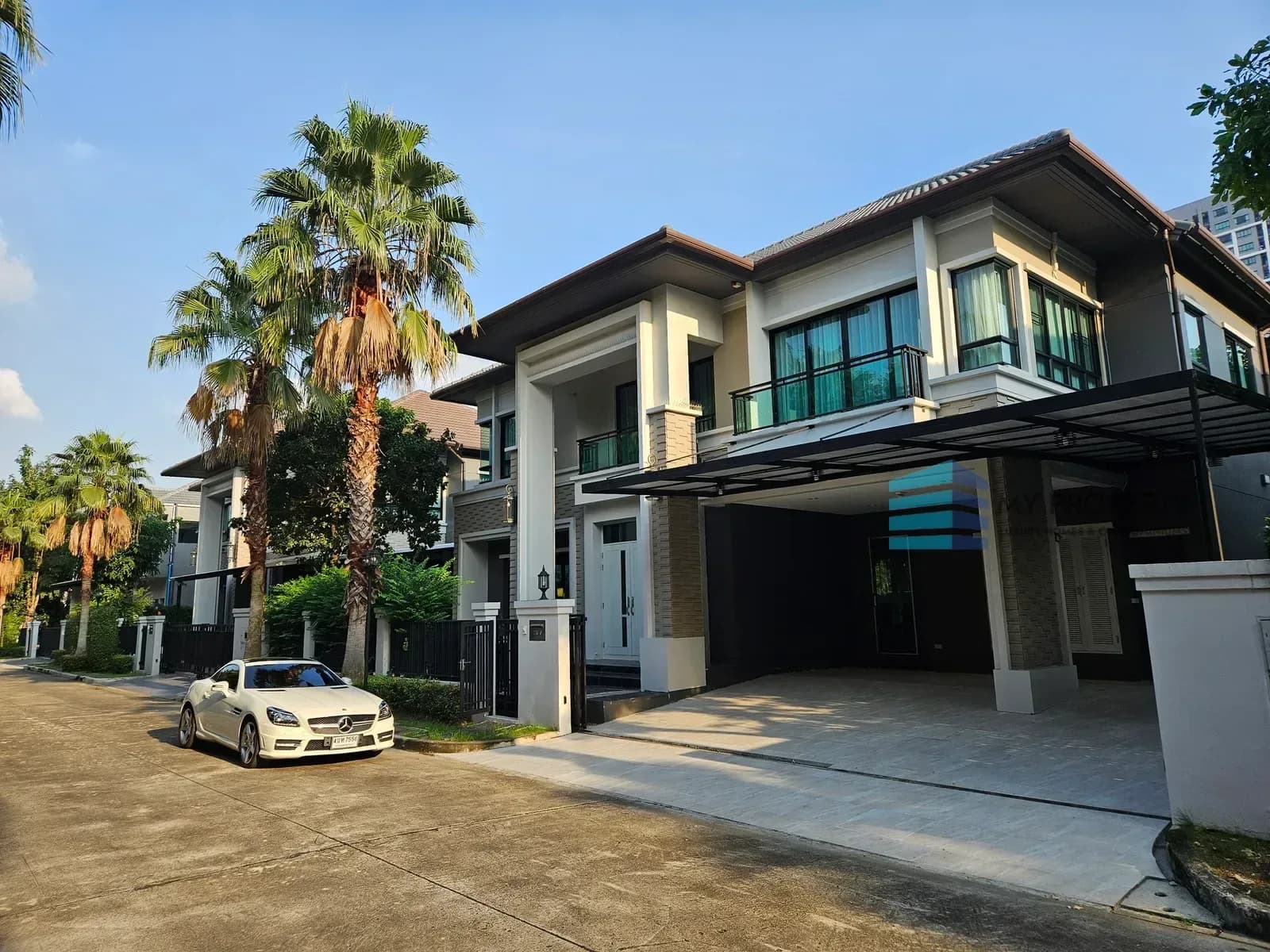
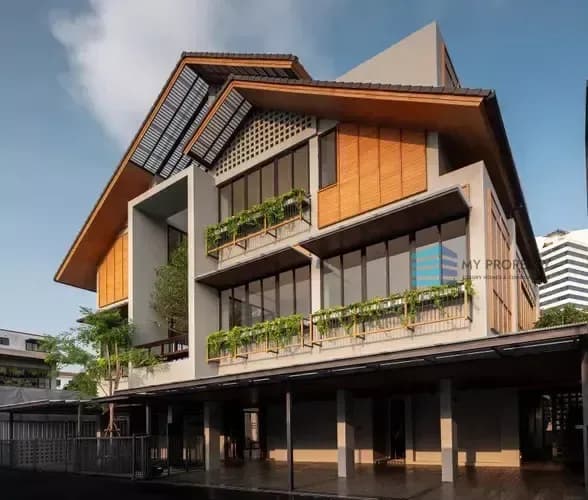
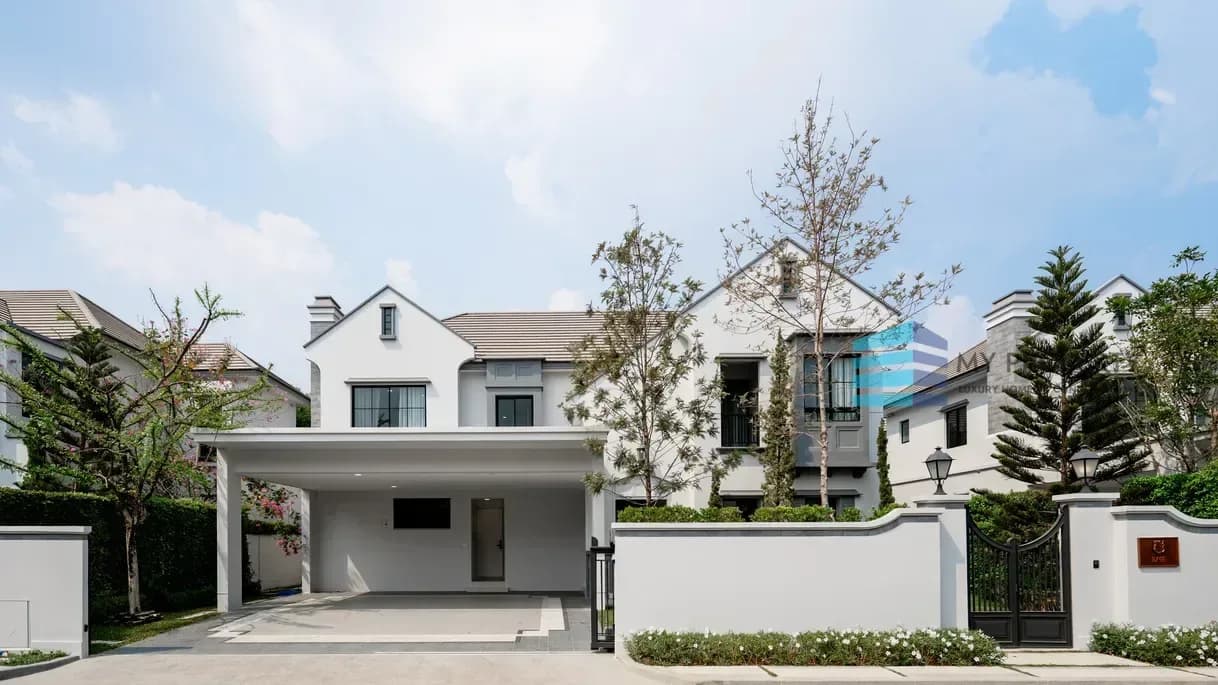
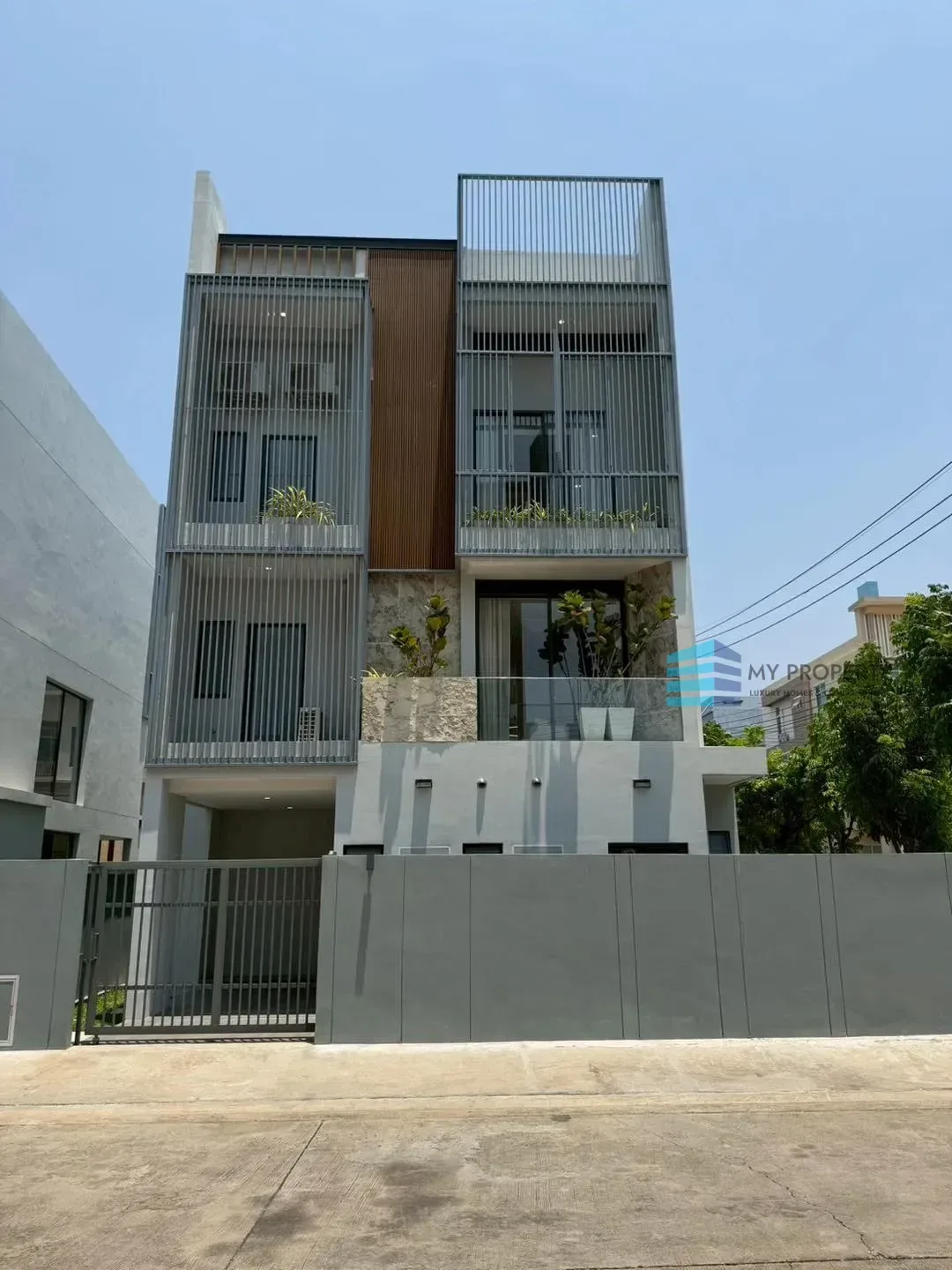
Hua Hin–Cha-am is a lifestyle market, not a high-yield one. Happy buyers here purchase because they want to use the property, choose locations and projects that hold value, and count holding costs honestly. Browse holiday homes and pool villas at MyProperty listings.
Was this article helpful?
Hand-picked listings related to this article
 Market Insights
Khao Yai has become Bangkok's favourite mountain weekend escape, filled with villas, cafés and resorts. Who buys here, the seasonal rental reality, why land-reform plots and unclear titles are the biggest risk, zoning near the national park, holding costs and a buyer's checklist.
 Market Insights
Thailand has become an aged society, and demographics move property markets slowly but relentlessly. Which home types gain and lose, the rise of downsizing and senior living, more inherited homes coming to market, fewer young first-time buyers, and what buyers, developers and investors should do about it.
 Market Insights
Hat Yai is southern Thailand's largest commercial city, drawing students, traders, medical patients and Malaysian visitors. How demand is structured, the main residential and commercial zones, the role of flood risk in pricing, and what buyers and investors should check in this distinctive provincial market.