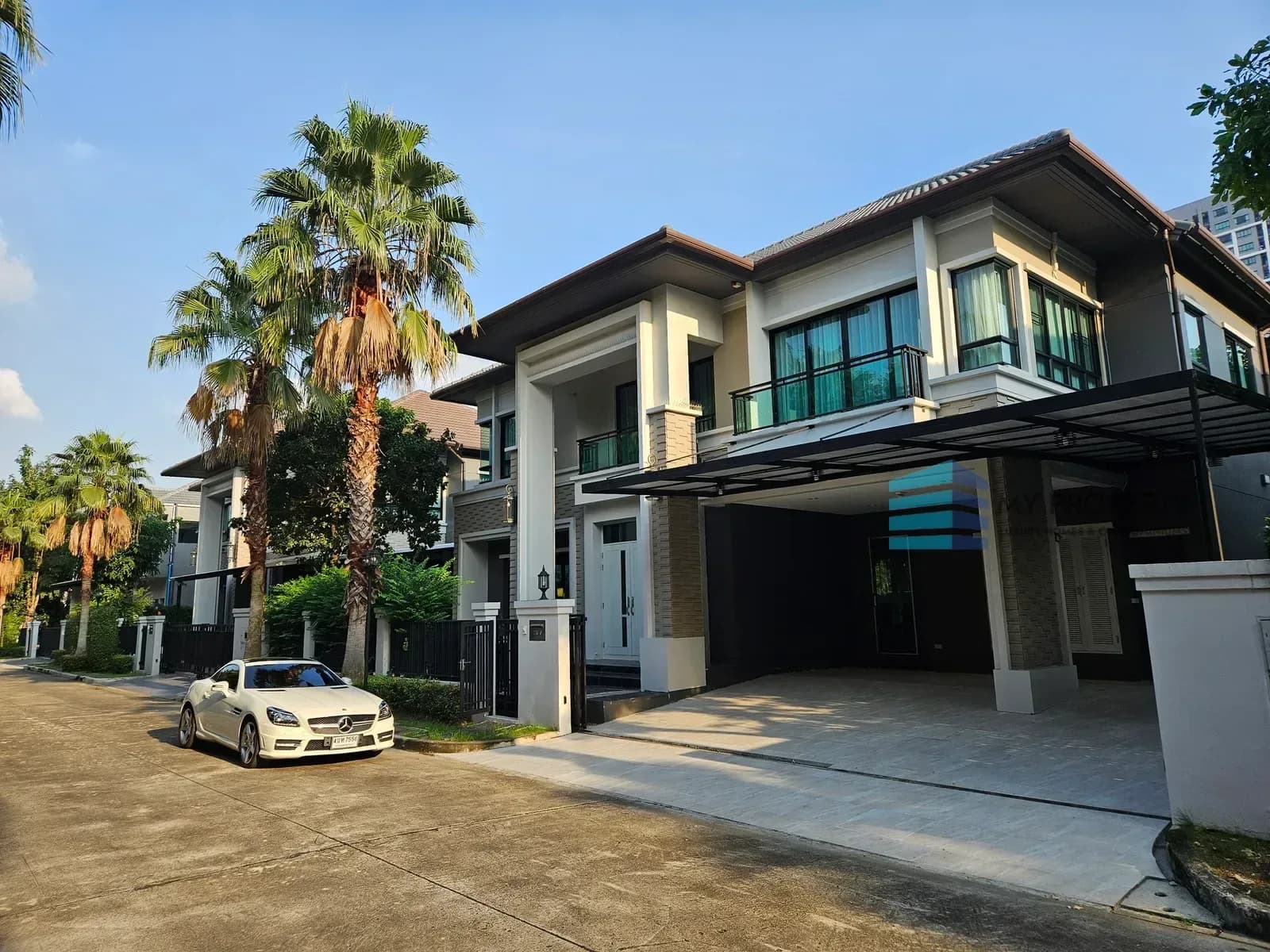
Buyers in housing estates focus on house design, plot size and price, but estate management shapes daily life and long-term value just as much. Repaired roads, bright street lights, clear drains, guards who actually patrol and clean common gardens all come from a legally backed management system. Buyers who understand it choose estates better, and as residents can help protect their own home's value.
Under the Land Allocation Act, utilities built by the developer — roads, parks, playgrounds, drainage, wastewater treatment — are subject to a servitude for the benefit of every plot. The developer must maintain them in good condition per the approved plan until handing them to a village juristic person, or taking another legally permitted route such as transferring them to the local authority as public property. While maintaining them, the developer may charge buyers a maintenance fee at the approved rate.
A housing-estate juristic person can be formed when buyers of at least half the sub-plots vote to establish it and register with Land Office officials. It has an elected committee that manages common fees, hires a management company, guards and cleaners, and issues estate regulations. Before handover the developer must repair utilities to good condition, and the law requires the developer to provide a maintenance guarantee.
Handover is residents' most important moment. The committee should inspect roads, drains, lighting, wastewater systems and gates thoroughly, list defects for the developer to fix before acceptance, and audit the common fees the developer previously collected.
Estate common fees are charged per square wah of land per month, at rates set by the general meeting and budget. The law gives juristic persons tools against arrears: surcharges for late payment; after the statutory period of consecutive arrears, suspension of certain services or use of utilities; and after a longer period, officials may suspend registration of rights and transactions on that plot until paid. In practice, a house with unpaid common fees cannot be sold or transferred until the debt to the juristic person is settled.
| Item | What to look at |
|---|---|
| Juristic status | Formed yet? Developer still in charge? Handover timeline? |
| Fees and reserves | Rate per square wah, accumulated reserves, latest accounts |
| Arrears rate | Share of homes behind on fees; high rates signal management problems |
| Utility condition | Roads, lighting, drains, parks, security |
| Regulations | Rules on extensions, pets, home businesses, letting |
| Flood history | Estate drainage and handling of heavy rain |
When buying resale in an estate with a juristic person, request a common-fee clearance certificate before transfer day, and require in the contract that the seller settle all arrears beforehand. If registration on the plot is suspended for fee debt, the transfer can't proceed, and the buyer may end up absorbing that debt in negotiations.
Fine while the developer maintains things well, but long-term, once the developer has sold out and wants to exit, utilities may be neglected. A strong juristic person lets residents decide their estate's future.
No. Common fees are a legal and regulatory duty of every plot owner, regardless of which facilities you use.
Different laws: estates fall under the Land Allocation Act, condos under the Condominium Act. In an estate you fully own your plot and common areas are servitudes; in a condo, owners co-own common property by ratio.
Juristic-person quality is invisible in brochures yet affects daily life and home values every year. Check juristic status, finances, arrears and utility condition before buying, and take part in management once you move in. Browse estate homes across Bangkok at MyProperty listings.
Was this article helpful?
Hand-picked listings related to this article
 Tips & Guides
Off-plan buyers sometimes face missed completion dates, smaller units than contracted or changed facilities. What the controlled condo-sale contract guarantees, when you may terminate and claim refunds, documenting your case, complaining to the OCPB, consumer and group litigation, and checks that reduce the risk before you buy.
 Tips & Guides
As rental portfolios grow, owners ask whether a company would save tax. How personal and corporate taxation of rent compare, the cost of moving existing property into a company, accounting obligations, succession through shares, and why nominee structures for foreigners are illegal and dangerous.
 Tips & Guides
Every empty month costs a full month's rent plus fees and utilities. A diagnostic approach for landlords: price against real comparables, listing photos and copy, channels and agents, timing, the unit's condition and terms, and quick improvements that move a stale listing — without slashing rent blindly.