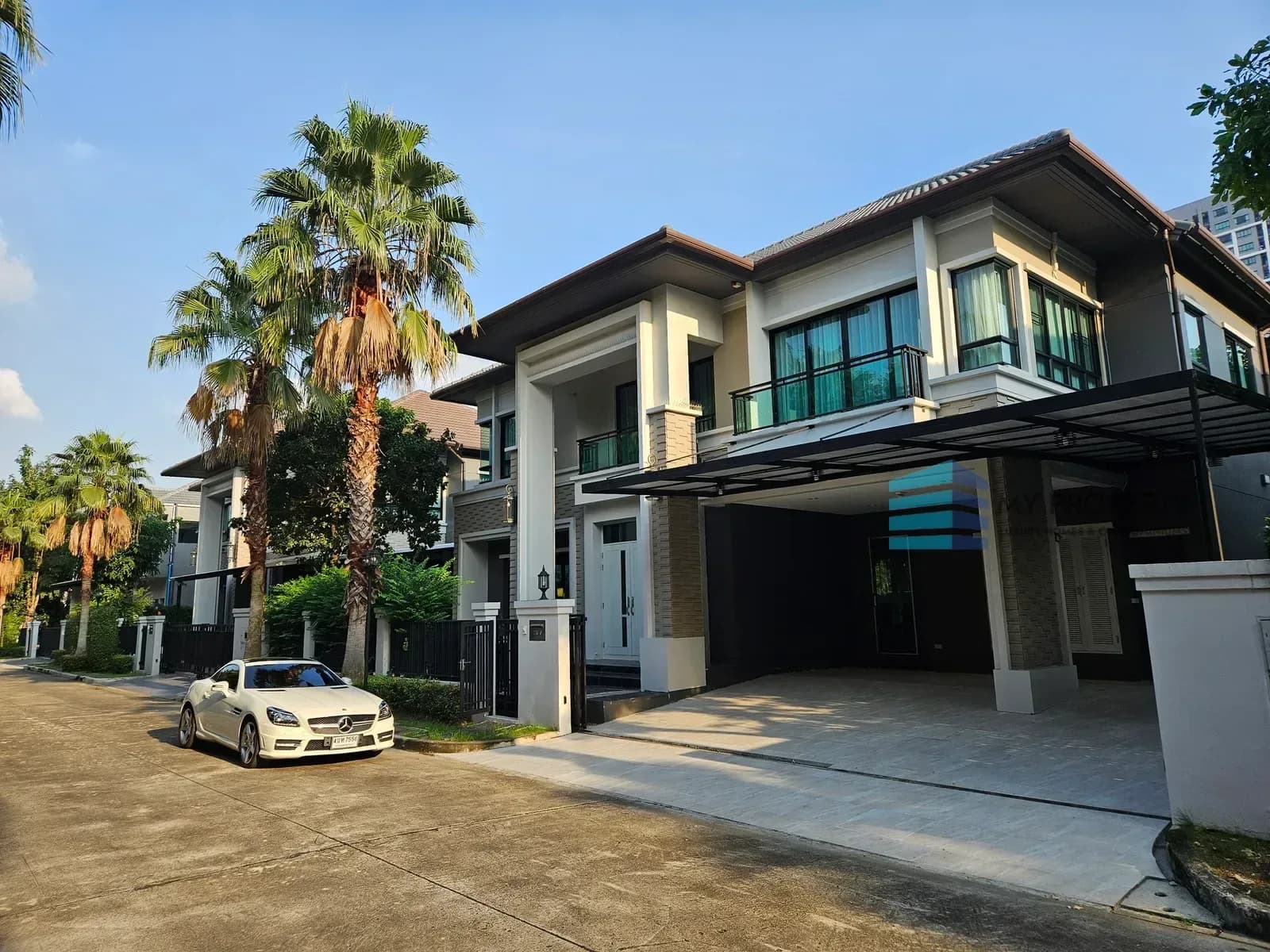
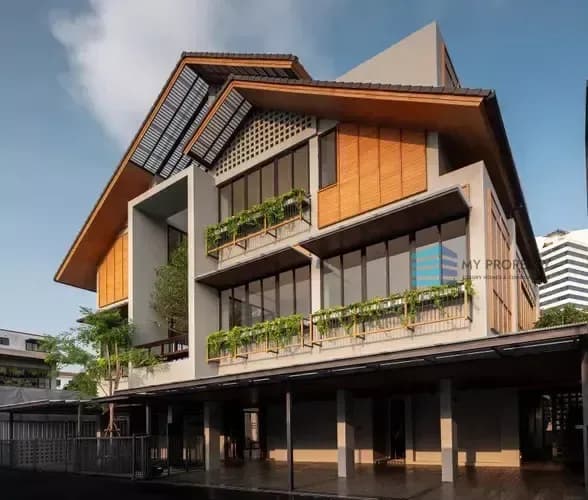
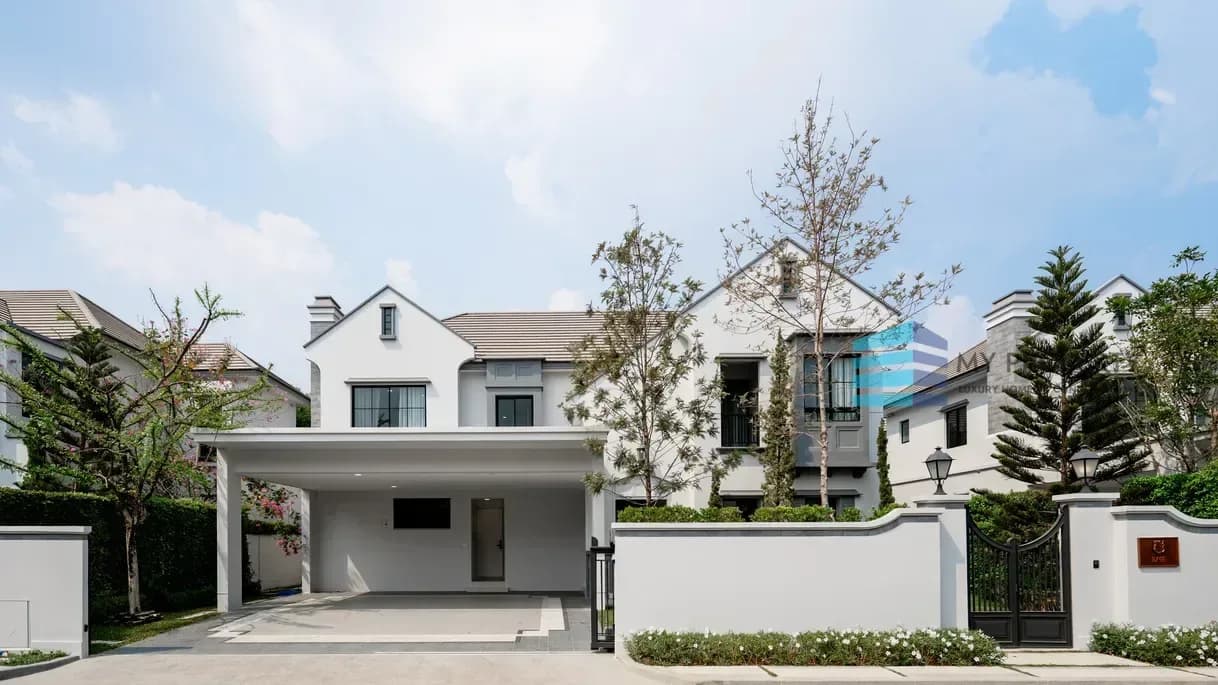
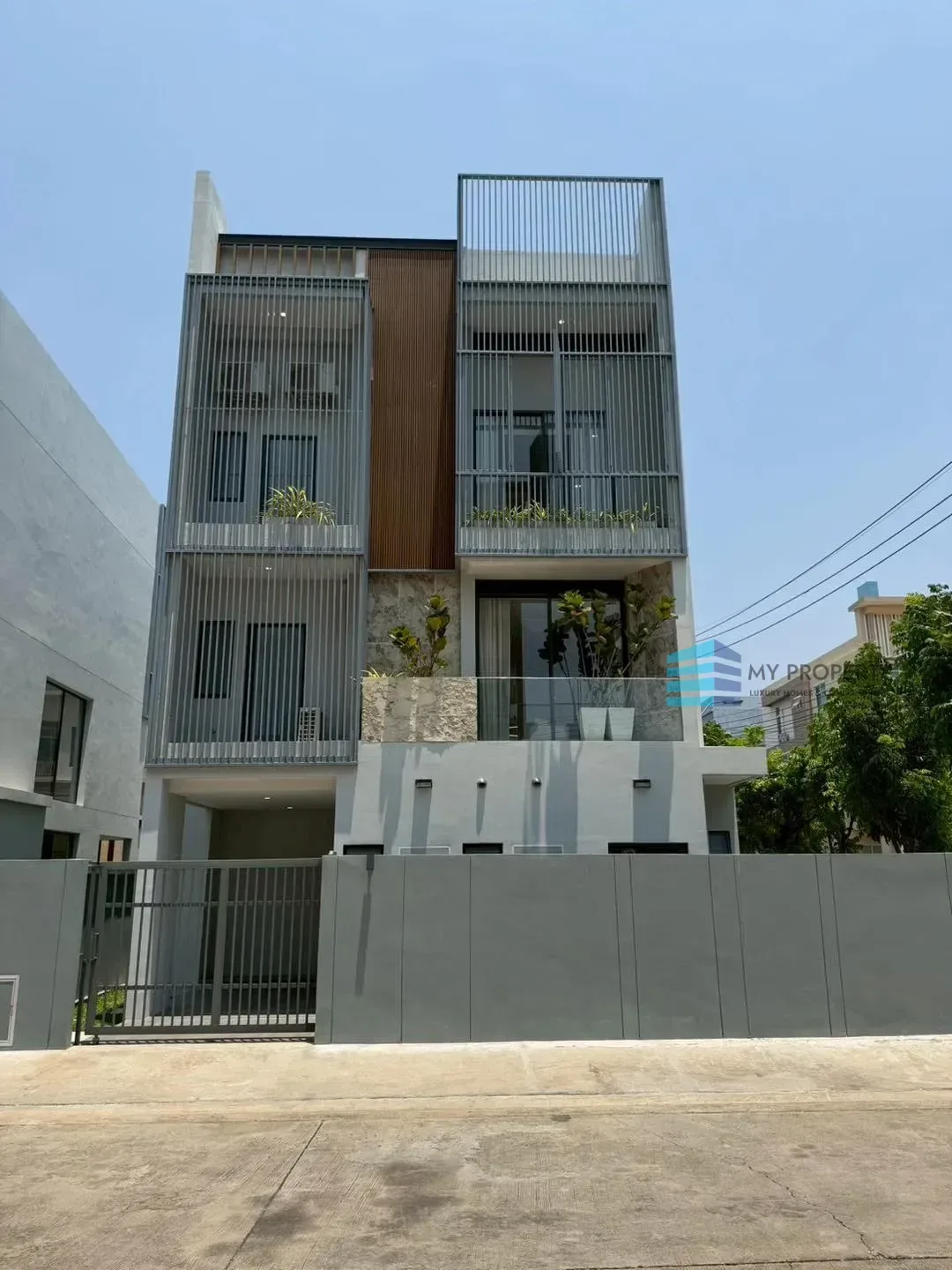
Moving from a condo to a detached house or townhome brings security into sharper focus. Condos have keycards, guards and common-area CCTV; low-rise homes have many doors and windows reachable from the ground, and security depends mainly on the owner. The good news: most burglaries are opportunistic — thieves pick homes that are easy, empty and quick. Adding obstacles layer by layer cuts risk substantially.
The first goal is to discourage thieves from choosing your home at a glance from the street: a sturdy fence and lockable gate; shrubs trimmed so they don't block sightlines, since dense bushes are ideal hiding spots; lighting around the house, especially the sides and back, using motion sensors or timers to save power; and no ladders, tools or climbable items left outside.
The most-forced entry points are usually not the front door but back and kitchen doors, ground-floor windows out of sight, and upper windows near extension roofs or carports that are easy to climb. Use solid doors with quality locks, add bolts to back doors, fit grilles or steel mesh on vulnerable windows designed to open from inside in case of fire, and add secondary locks to sliding glass doors, which can often be lifted off their tracks.
| Device | Role | Note |
|---|---|---|
| CCTV | Deters and records evidence | Cover main entries, enable mobile viewing, and store footage in the cloud or on a hidden recorder — some thieves take the recorder |
| Burglar alarm | Sounds and alerts when doors or windows open | Link to a phone app or a monitoring service that alerts responders |
| Motion sensors | Alert to movement inside while you're away | Configure for pets to reduce false alarms |
| Smart locks | Code or fingerprint entry with access logs | Choose models with a mechanical backup key and battery alerts |
| Smart lights and plugs | Switch lights on schedules so the house looks occupied | Vary times so they aren't identical every day |
Signs announcing alarms and CCTV also deter, signalling that this house isn't an easy target.
Estates with good security — access control, guards who genuinely patrol and common CCTV — make a big difference. Neighbours who know each other and notice unusual activity provide free protection, and an estate chat group spreads alerts about strangers or incidents quickly.
Basic fire insurance usually doesn't; add theft cover or choose a home policy that includes it. Read conditions such as requiring signs of forced entry, and keep receipts for valuables.
Yes, if night images are clear and footage is stored securely. Change default passwords and update firmware so others can't access the cameras.
Aim them at your own property and entrances only, avoiding recording inside others' homes, to respect privacy and avoid disputes.
A secure home comes not from one expensive gadget but from layers: lighting and fences, strong doors and windows, electronics, a watchful community and good pre-travel routines. Read more about smart homes and choosing estates on the MyProperty blog.
Was this article helpful?
Hand-picked listings related to this article
 Lifestyle
More Thais live alone than ever — young professionals, the never-married, divorced and widowed. Choosing the right size and type of home, safety and emergency planning, buying on a single income, running costs, community and the small design choices that make a one-person home comfortable.
 Lifestyle
As the cool season approaches, fine-dust levels in Bangkok and the North typically rise. How to keep indoor air cleaner: choosing and sizing purifiers, sealing a house or condo, ventilating without letting dust in, air-con filters, indoor pollution sources, checking air quality, and what plants can and can't do.
 Lifestyle
Charging an EV overnight at home is the cheapest and most convenient option — if the house is ready. Portable versus wall chargers, checking meter and main capacity, dedicated circuits and the right residual-current protection, applying for a time-of-use meter, and calculating whether it saves money for your household.