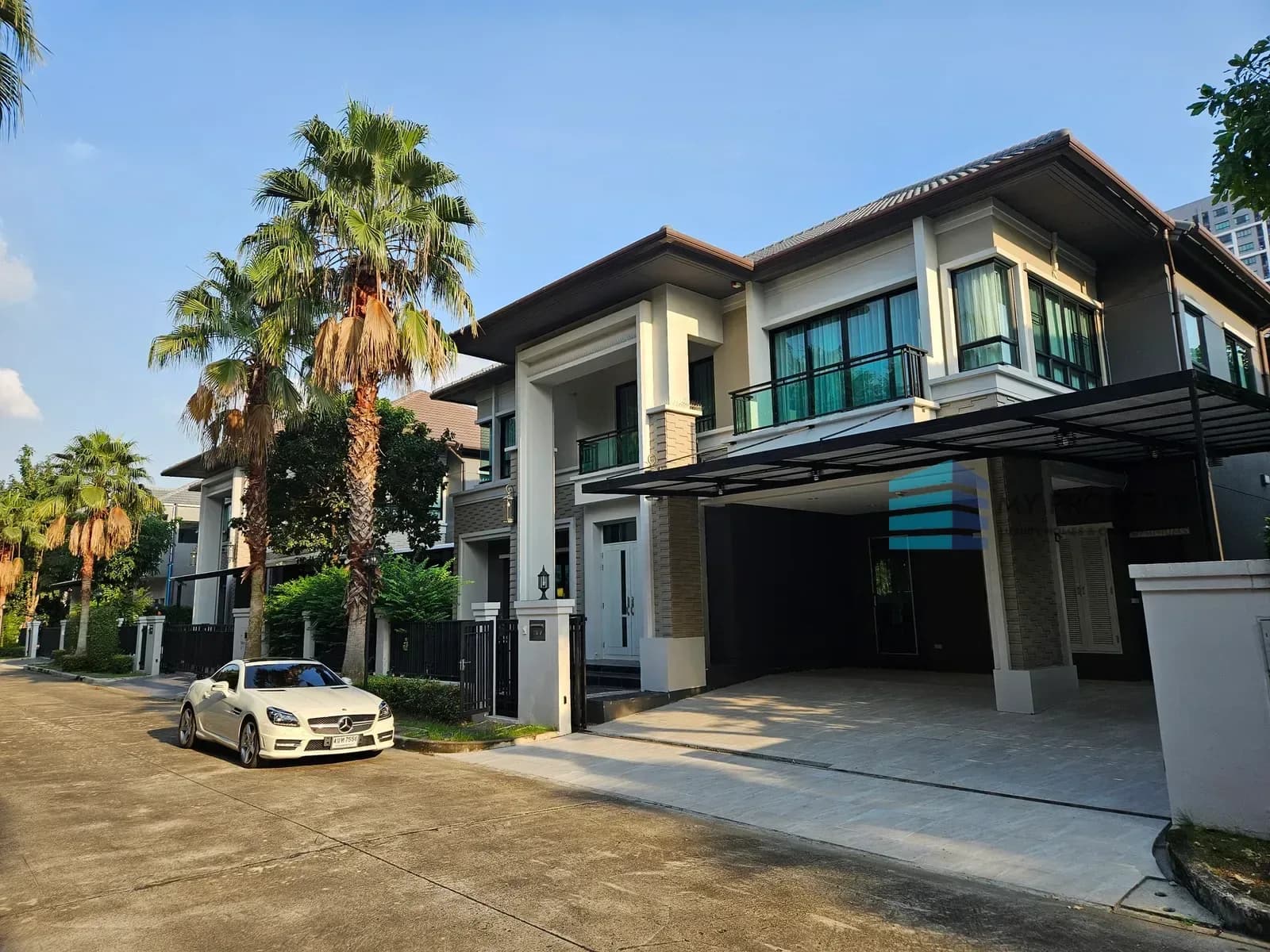

A deposit is the first money you pay to reserve a purchase — and a favorite point for scammers, since buyers rush for fear of losing the property. Paying safely keeps you from losing money before you even get the home.

Before any deposit, confirm the payee is the true owner — check the original deed against their ID. For resale via an agent, verify with the owner directly; never pay a "representative" without a power of attorney.
| Do | Why |
|---|---|
| Transfer to owner's account | Clear, traceable proof |
| Avoid cash | No payment trail |
| Keep slips and contract | Evidence in disputes |
Every deposit should come with a written sale agreement stating price, transfer date and refund terms — e.g., refund if the loan is rejected. It legally binds both sides.
Was this article helpful?
Hand-picked listings related to this article
 Tips & Guides
One title deed, four sibling names — Thailand's most common inheritance situation and its quietest time bomb. How co-ownership really works, the subdivision process step by step, and the three exits when someone wants out.
 Tips & Guides
A red line on a government map can cut through your land years before any bulldozer arrives. How Thai expropriation actually proceeds, what compensation covers, the appeal windows that matter, and the pre-purchase checks.
 Tips & Guides
No payslip doesn't mean no mortgage. How banks actually assess freelance income, the 12-month bank-statement discipline that changes everything, and why paying tax is the highest-return investment a freelancer can make.