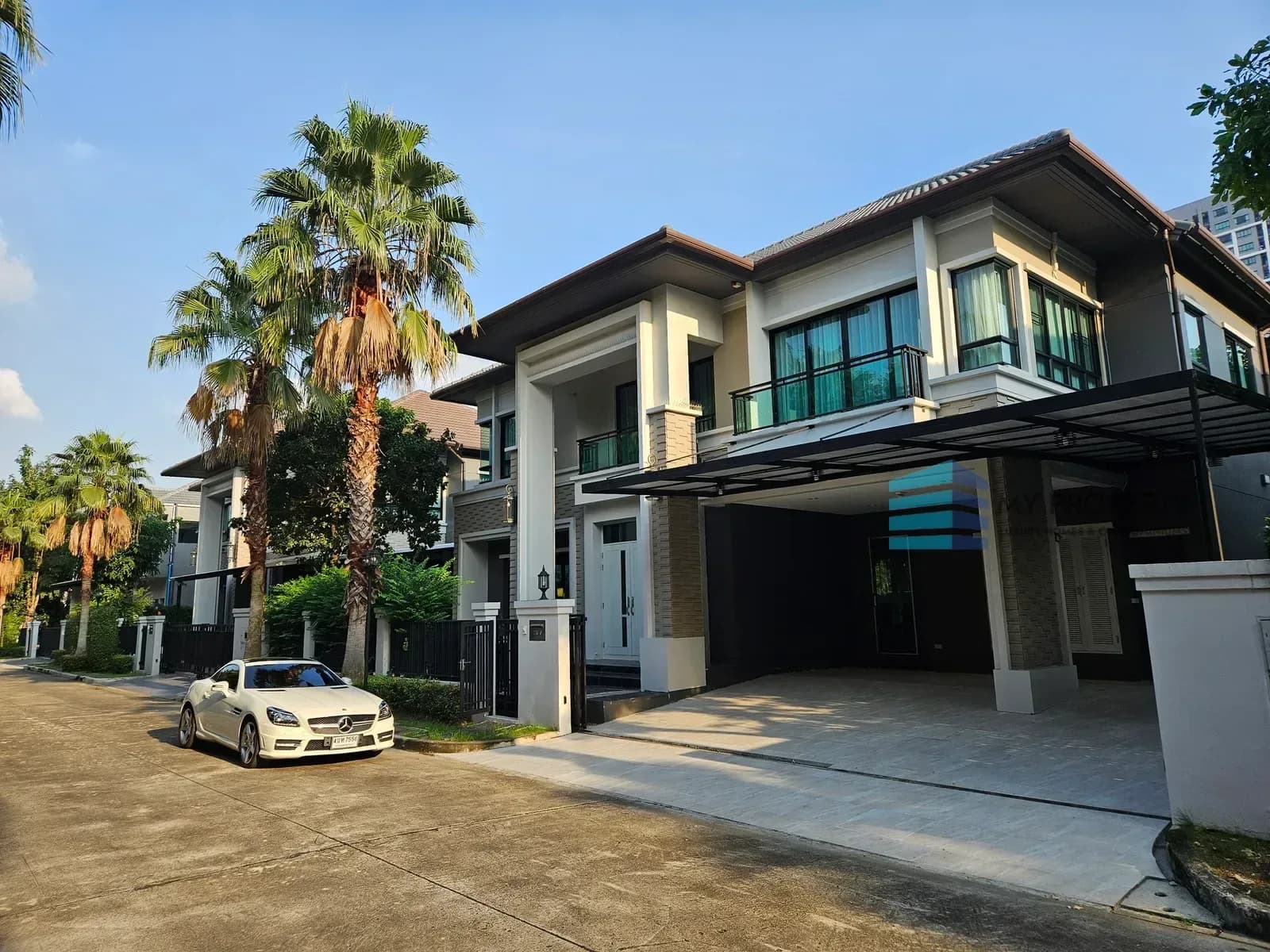
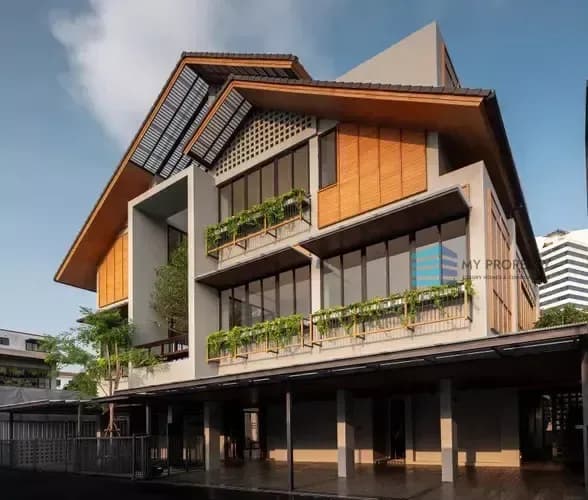
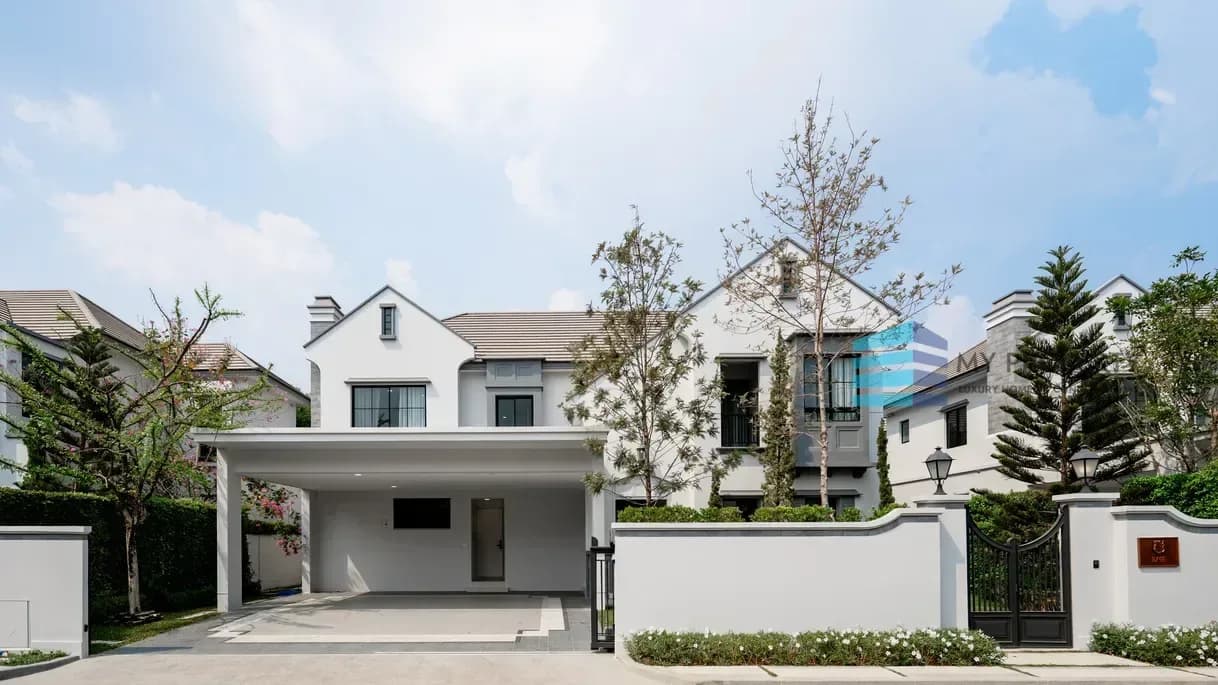
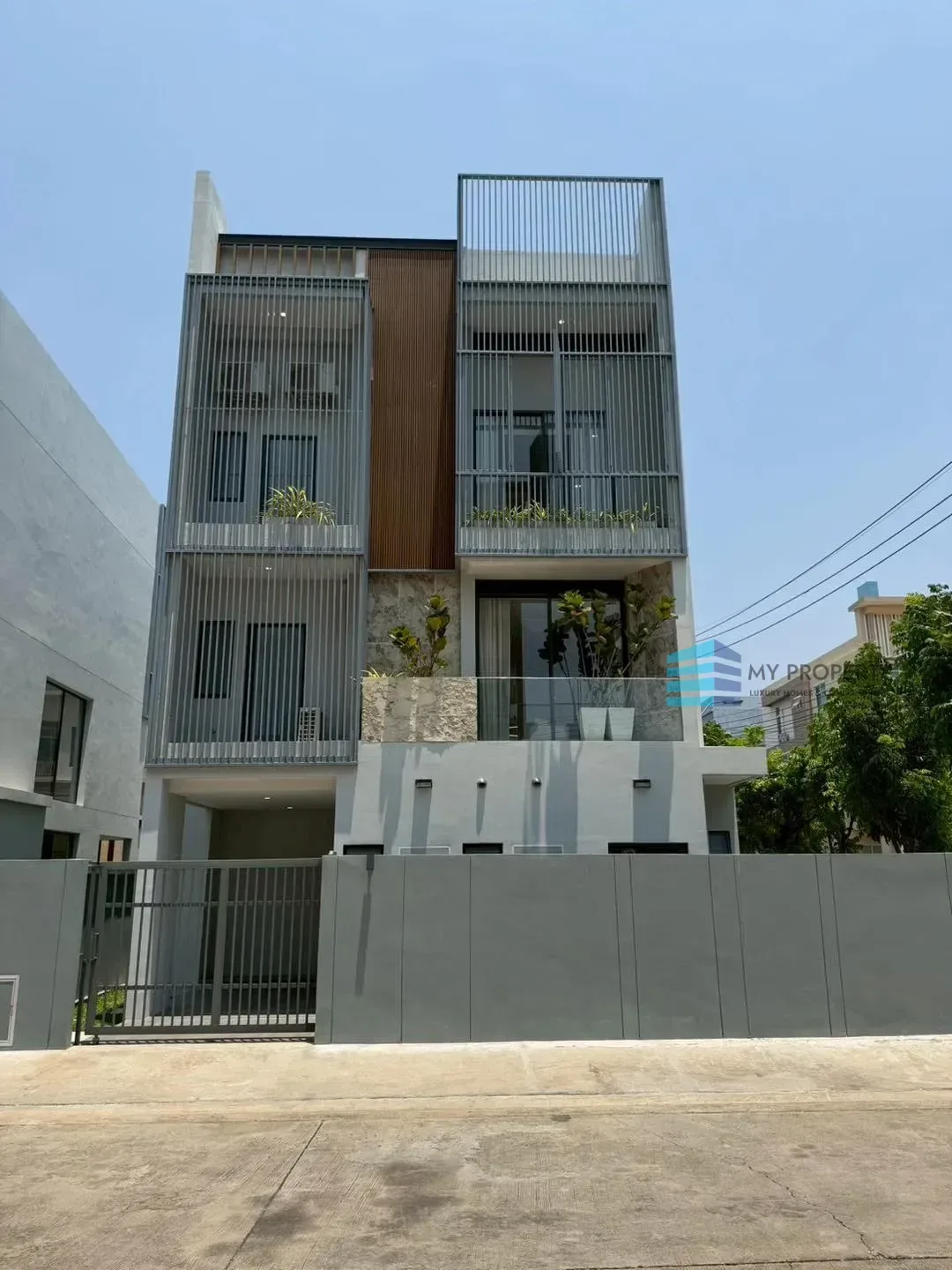
Ask Bangkokians which district defines upscale urban living and most will say Thonglor and Ekkamai — two parallel sois off Sukhumvit packed with restaurants, bars, cafés, community malls, aesthetic clinics and luxury condos. Unlike Sathorn or Asoke, where demand ties to offices, Thonglor–Ekkamai attracts residents through quality of life, pushing per-sqm prices into the city's upper tier. The buyer's question is whether that price buys durable value or a fashion premium that could fade.
Thonglor (Sukhumvit 55) and Ekkamai (Sukhumvit 63) each run nearly two kilometres from the BTS at the soi mouth to New Petchaburi Road. That length is the single biggest pricing factor. The mouth to the early middle is walkable to the station and commands the highest prices and rents. The middle stretch is dense with restaurants and community malls; residents rely on songthaews, motorbike taxis or cars. Toward Petchaburi, prices drop markedly, with closer access to the expressway.
Side sois branching off — such as Thonglor 10 or Ekkamai 10–12 — often hold quieter low-rise condos and older detached houses, suiting families who want the district without the bustle.
The Japanese community has anchored the Phrom Phong-to-Ekkamai stretch of Sukhumvit for decades, with supermarkets, schools, clinics and restaurants clustered here. These tenants are often housed by employers with clear budgets, and want well-kept units, bathtubs, good security and responsive building management. Add other expatriate families, high-earning young Thais in creative fields or their own businesses, and buyers wanting a city second home.
| Zone | Strength | Suits | Watch for |
|---|---|---|---|
| Soi mouth near BTS | Walk to station; top rents | Car-free city workers | High entry price; yield may be low |
| Mid-soi | Dining, malls, neighbourhood feel | Lifestyle seekers, families with cars | Evening traffic; nightlife noise |
| Quiet side sois | Low-rise, large units, privacy | Expat families, executives | Narrow access; car-dependent |
| Far end near Petchaburi | Lower prices, expressway access | Owner-occupiers who drive | Weaker image; harder to let |
Durable value here comes from three things: a density of upscale services built over decades, a deeply rooted expatriate tenant community, and very little vacant land left. The risk lies in hype premiums — projects sold on branding or expensive finishes but located too deep to walk, or units too small for the tenants this district actually has. Small studios in an area whose core tenants are families can be harder to let than expected.
Thonglor is glossier and busier, with higher average prices. Ekkamai is slightly more residential, with the Eastern Bus Terminal and community malls, and friendlier pricing at a similar standard. Both draw on the same demand pool.
Cleanliness, security, a bathtub, an in-unit washing machine, quick problem resolution, and usually a lease through an agent specialising in the Japanese market. Preparing to that standard brings faster lets and long-staying tenants.
Worth considering if walkable to the station with large units, since per-sqm prices are well below new launches — but check building health and budget for renovation.
Thonglor–Ekkamai's value comes from long-built quality of life and steady expatriate demand, but long sois make position within the soi as important as the district name. Pick the zone that fits your tenant or lifestyle, and separate real value from hype using actual transaction prices. More at Thonglor properties and Ekkamai properties.
Was this article helpful?
Hand-picked listings related to this article
 Real Estate
Factory-built homes promise faster construction and predictable costs, and they suit sites where skilled labour is scarce. How the main systems differ, what's still built on site, foundations, heat and insulation, permits, bank financing, resale perception and a checklist for choosing a manufacturer.
 Real Estate
The dream of a garden home on a few rai is common, and the pitfalls are predictable. Which title documents allow purchase and building, water from wells and canals, extending electricity, road access, flood-prone lowland, nearby farms and burning, land tax for agricultural use, and planning the build.
 Real Estate
Ramkhamhaeng has long been a student and commuter district with heavy traffic. The Airport Rail Link and Yellow Line already meet at Hua Mak, and the Orange Line's eastern section is set to change the corridor. Sub-areas, rental demand, the opening-date question and how to buy sensibly before the trains run.