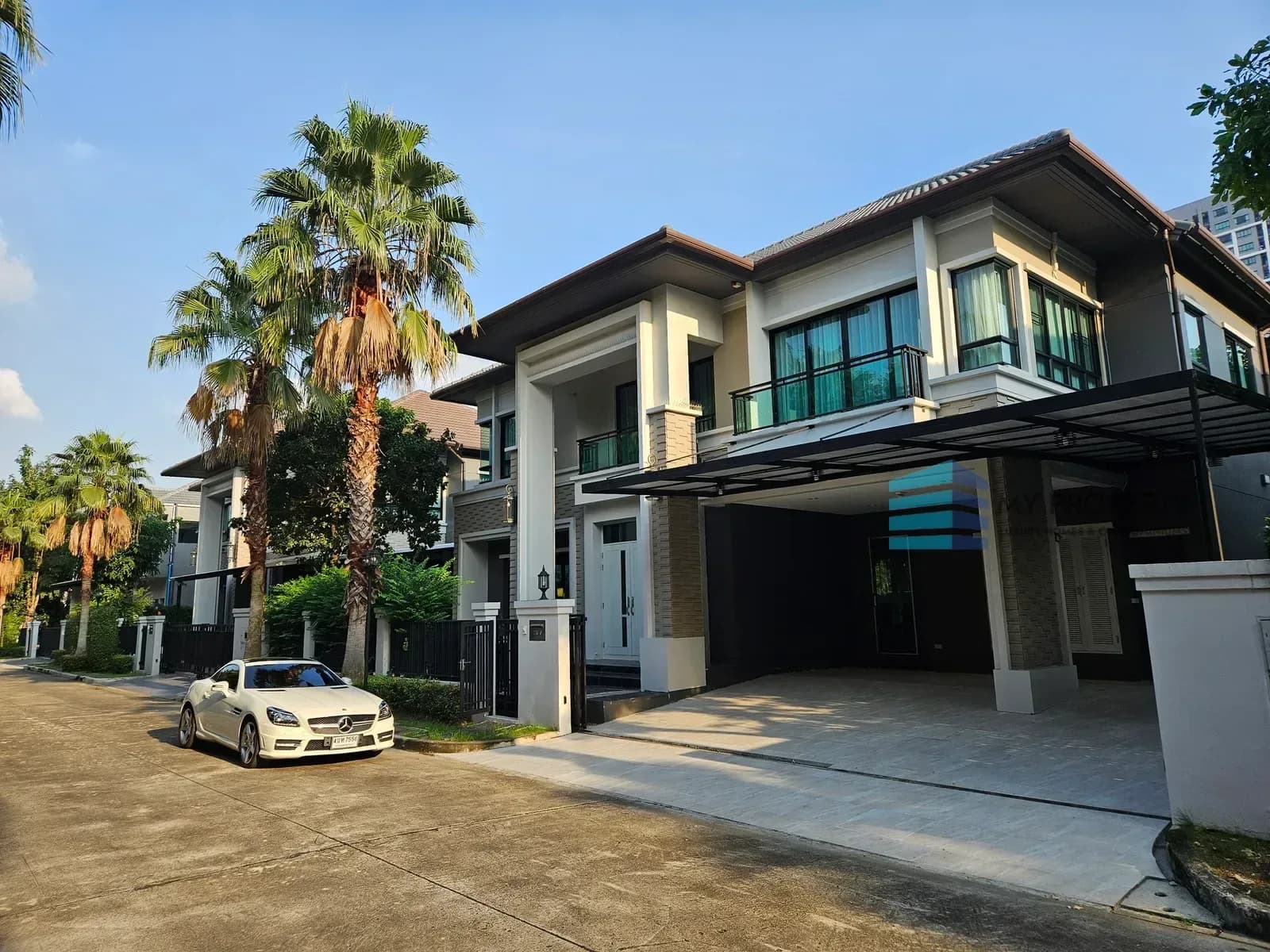
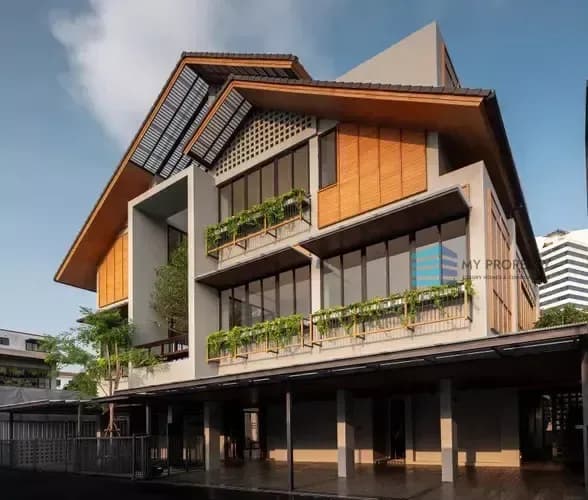
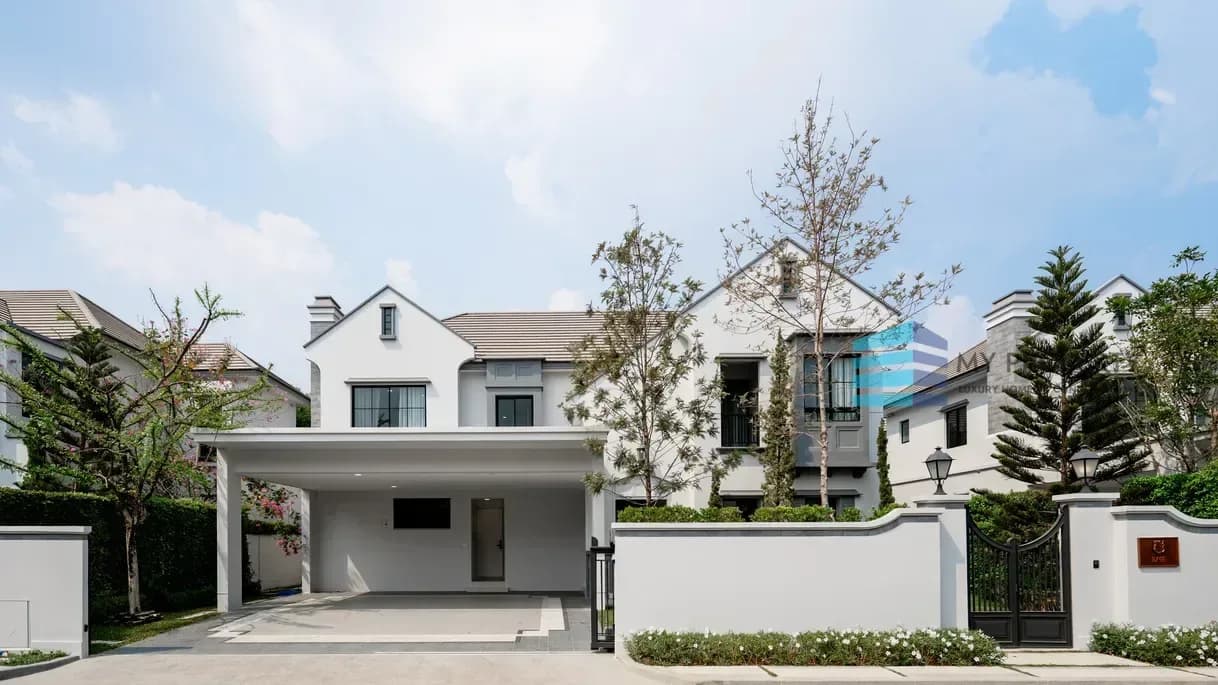
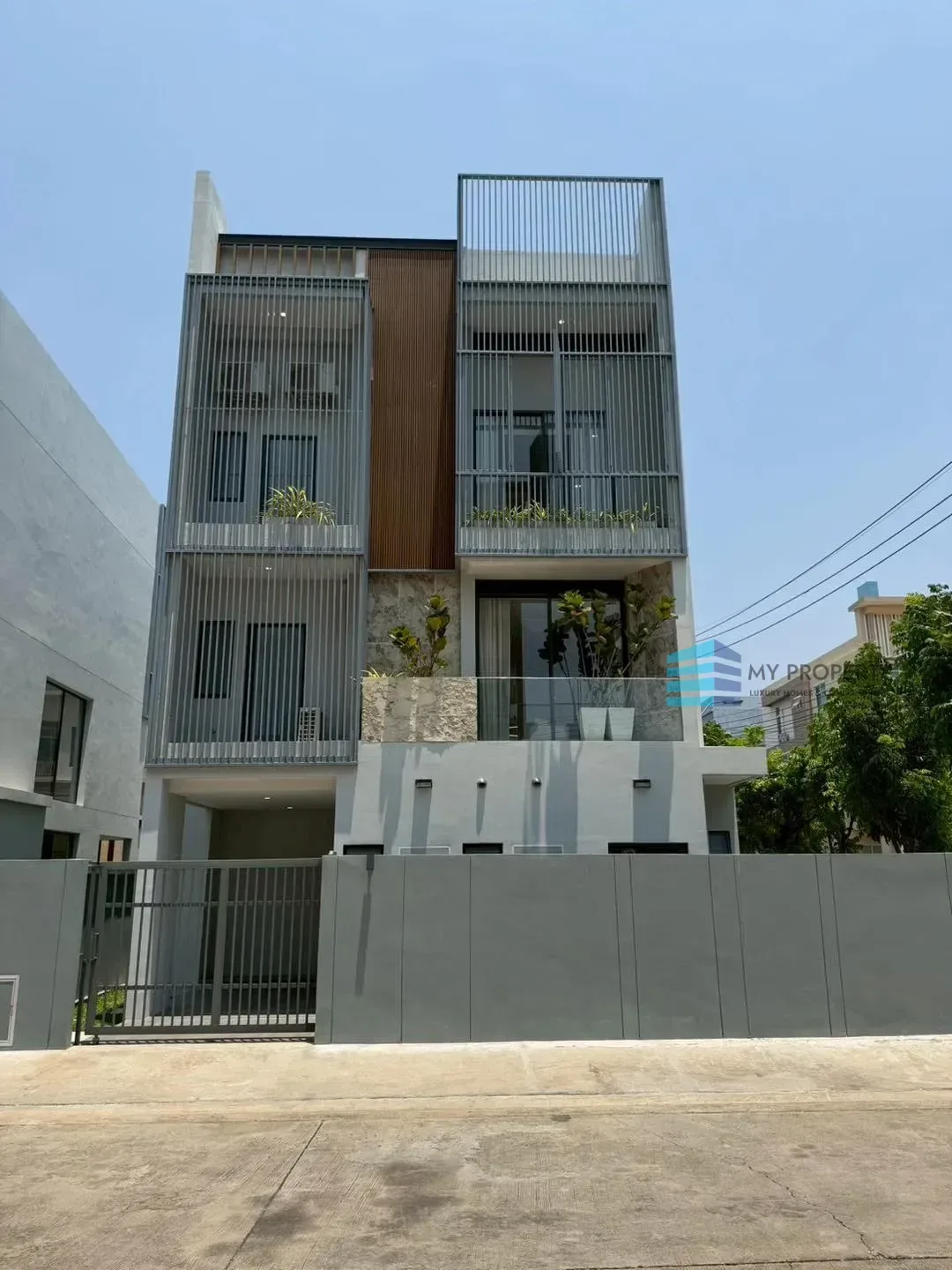
North of Don Mueang Airport, Phahonyothin and Vibhavadi Rangsit roads lead into Rangsit and Pathum Thani province, among greater Bangkok's fastest-growing areas for decades. It has large malls, several universities, industrial estates employing many people and a vast number of housing estates priced for middle-income workers. The Red Line suburban railway linking it with Krung Thep Aphiwat Central Terminal at Bang Sue has renewed interest from buyers wanting low-rise homes on a budget.
Pathum Thani hosts several public and private universities around Rangsit and Khlong Luang, sustaining demand for dorms and rentals from students and staff. Industrial estates in Khlong Luang and nearby employ large workforces, driving demand for rental houses and affordable homes. Government agencies and research centres are located here, and proximity to Don Mueang adds aviation-related demand. Families working in Bangkok also buy detached houses here at far lower prices than in the city.
| Zone | Character | Suits |
|---|---|---|
| Rangsit near the station and malls | Near the suburban rail station and malls; condos and shophouses | Workers wanting rail |
| Khlong Luang near universities | Dorms, apartments, student community | Student-rental investors |
| Rangsit–Nakhon Nayok Road (the khlong areas) | Many estates, affordable prices | Car-owning families, first-time buyers |
| Near industrial estates | Rental houses and rooms for factory workers | Budget rental-house investors |
The Red Line runs from the central terminal at Bang Sue via Don Mueang to Rangsit, giving those near stations fast, predictable commutes, with an extension planned toward the universities in Khlong Luang. But most Pathum Thani estates are several kilometres from a station, so residents still rely on cars and the elevated tollway into town. Buyers counting on rail should choose locations with genuinely convenient station access.
Pathum Thani was severely hit in past major floods — estates, industrial parks and universities alike. Since then there has been investment in area-wide and project-level defences: many estates built dykes and pumping stations, and many newer projects raised ground levels. But protection varies greatly. Ask how the project fared in the major floods, check floor and estate road levels, review drainage and pumping, and consider insurance covering flood. These checks matter more than house designs or clubhouses.
Yes if you work around Bang Sue, Chatuchak or areas easily linked to the Red Line, or can drive the tollway. Those working on the city's east or south side may face long commutes.
There's demand, but also heavy dorm supply and some teaching has moved online. Check occupancy in nearby dorms and pick locations near faculties with large enrolments.
Not necessarily, if the project has seriously upgraded defences and the price reflects the risk — but inspect for hidden damage such as wiring and walls that were submerged.
Rangsit–Pathum Thani offers affordable low-rise living with demand anchored by education and industry and Red Line connectivity. Choose well-managed, genuinely flood-protected projects and buy for the long term. More at Pathum Thani properties.
Was this article helpful?
Hand-picked listings related to this article
 Real Estate
Factory-built homes promise faster construction and predictable costs, and they suit sites where skilled labour is scarce. How the main systems differ, what's still built on site, foundations, heat and insulation, permits, bank financing, resale perception and a checklist for choosing a manufacturer.
 Real Estate
The dream of a garden home on a few rai is common, and the pitfalls are predictable. Which title documents allow purchase and building, water from wells and canals, extending electricity, road access, flood-prone lowland, nearby farms and burning, land tax for agricultural use, and planning the build.
 Real Estate
Ramkhamhaeng has long been a student and commuter district with heavy traffic. The Airport Rail Link and Yellow Line already meet at Hua Mak, and the Orange Line's eastern section is set to change the corridor. Sub-areas, rental demand, the opening-date question and how to buy sensibly before the trains run.