To Bangkokians, "Rama 2" conjures years of construction so long it became a social-media joke. The main highway south has hosted elevated-road and expressway works for many years, making rush-hour travel a test of patience. Yet that inconvenience has kept house prices accessible compared with areas at similar distance from the centre. Today's buyer question is how the area changes as infrastructure completes, and who should consider it.
Rama 2 Road starts in Thonburi at Dao Khanong, runs through Chom Thong, Bang Mot and Bang Khun Thian, and continues into Samut Sakhon. Along it sit numerous housing estates, large malls, private hospitals, King Mongkut's University of Technology Thonburi at Bang Mot, and Samut Sakhon's industrial base, a major employer. Most residents are families working in Thonburi or Samut Sakhon, or commuting into town by car.
| Zone | Character | Suits |
|---|---|---|
| Dao Khanong–Chom Thong (start of the road) | Closest to town; condos and older communities | City workers wanting short commutes |
| Bang Mot–Tha Kham | Dense estates near the university and malls | Typical families; some student tenants |
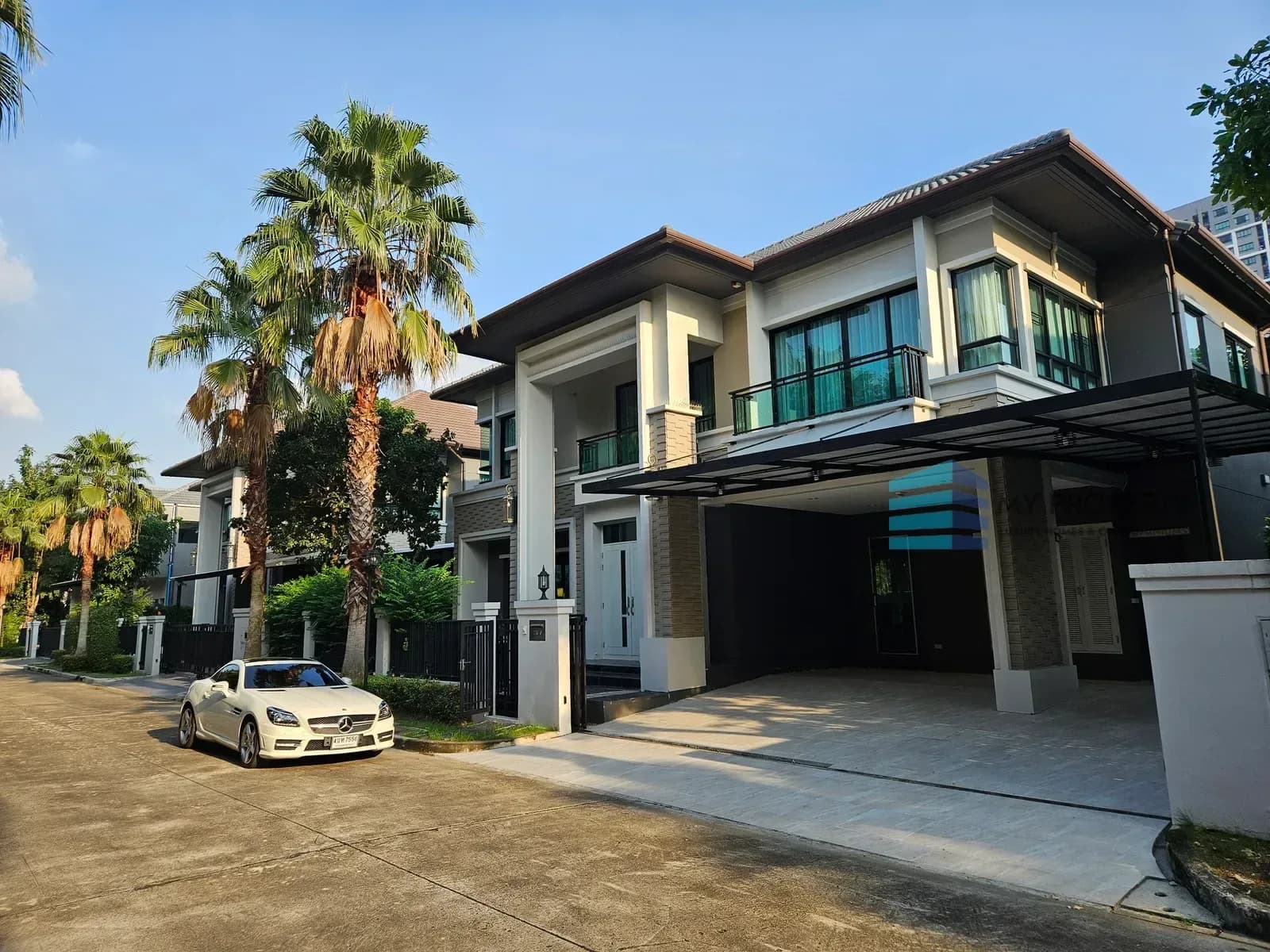
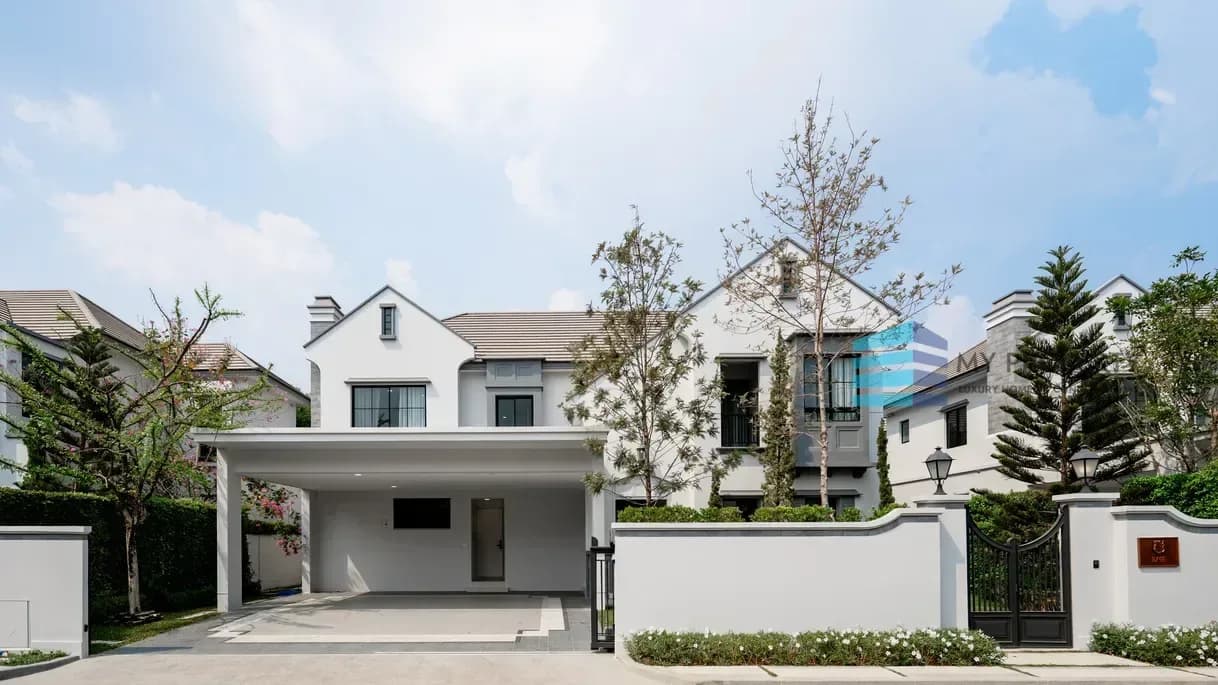
| Bang Khun Thian (middle to outer) | Affordable detached houses; steady new projects | Families wanting large homes on a budget |
| Samut Sakhon (Ekachai–Mahachai) | Lowest prices; near industrial employment | Local workers, first-time buyers |
The main works along Rama 2 are an elevated intercity motorway toward Samut Sakhon and an expressway linking Rama 3 across the Chao Phraya to Dao Khanong and the western outer ring road. Fully open, these separate long-distance and city-bound traffic from the ground-level road and cut travel time to Sathorn and Rama 3 significantly. On rail, the southern Purple Line extension through the Rat Burana side and suburban rail plans involving Mahachai may add options later, but they don't directly serve the Rama 2 corridor. Treat the area primarily as a driver's location.
Bang Khun Thian and Samut Sakhon lie near the Gulf coast; parts are low-lying and affected by high tides at certain times of year. Soft clay also makes surrounds and extensions prone to settlement. Check three things: the house floor level relative to the road, especially in older estates where roads have been raised repeatedly; the soi and estate's flood history, from residents and tide marks on walls; and settlement of extensions and carports, which reveals local soil behaviour.
Families wanting a spacious detached house or townhome on a budget the east or north can't match; people working in Thonburi, Rama 3 or Samut Sakhon's industrial estates; and car users who can travel outside peak hours. City-centre workers who want rail commutes may be better served elsewhere. For investors, the rental market draws workers from local factories and firms, but yields and resale liquidity don't match rail-served locations.
Better access usually supports demand, especially near ramps, but the area has plenty of estate supply, so increases are likely gradual. Don't pay too much in advance for expectations.
Resale homes in well-managed estates with floor levels above the road are often better value — you can see real settlement and flood history. For new projects, check fill levels and drainage.
Condos near Dao Khanong or the university serve niche tenant groups, but the area is primarily a low-rise market. Study rental demand close to the specific project carefully first.
Rama 2 suits families who value space over rail access. Prices remain accessible and commutes are improving as elevated roads and expressways open, but flood and subsidence homework is essential. Browse detached houses and townhomes across Bangkok at MyProperty listings.
Was this article helpful?
Hand-picked listings related to this article
 Real Estate
Factory-built homes promise faster construction and predictable costs, and they suit sites where skilled labour is scarce. How the main systems differ, what's still built on site, foundations, heat and insulation, permits, bank financing, resale perception and a checklist for choosing a manufacturer.
 Real Estate
The dream of a garden home on a few rai is common, and the pitfalls are predictable. Which title documents allow purchase and building, water from wells and canals, extending electricity, road access, flood-prone lowland, nearby farms and burning, land tax for agricultural use, and planning the build.
 Real Estate
Ramkhamhaeng has long been a student and commuter district with heavy traffic. The Airport Rail Link and Yellow Line already meet at Hua Mak, and the Orange Line's eastern section is set to change the corridor. Sub-areas, rental demand, the opening-date question and how to buy sensibly before the trains run.