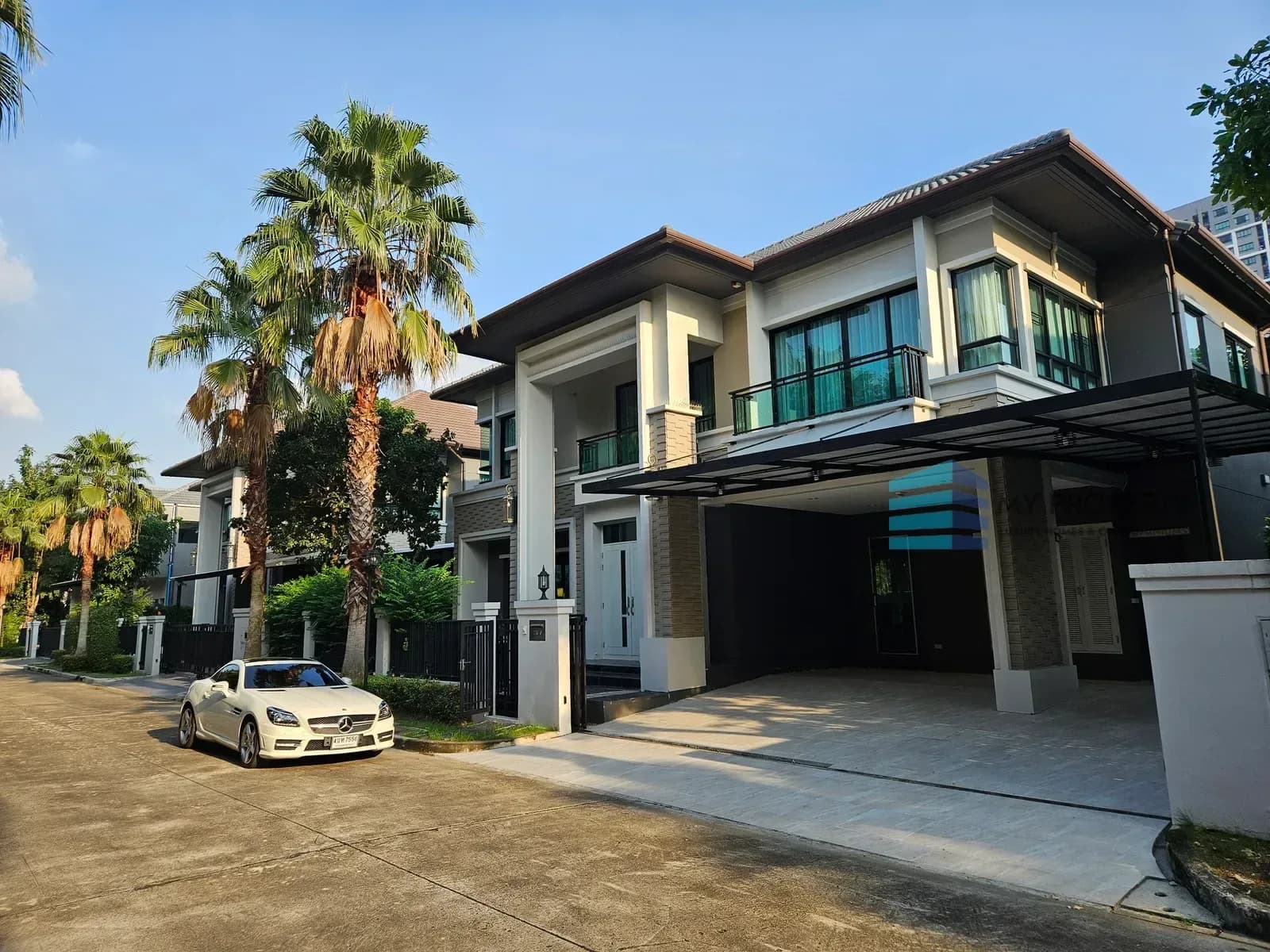
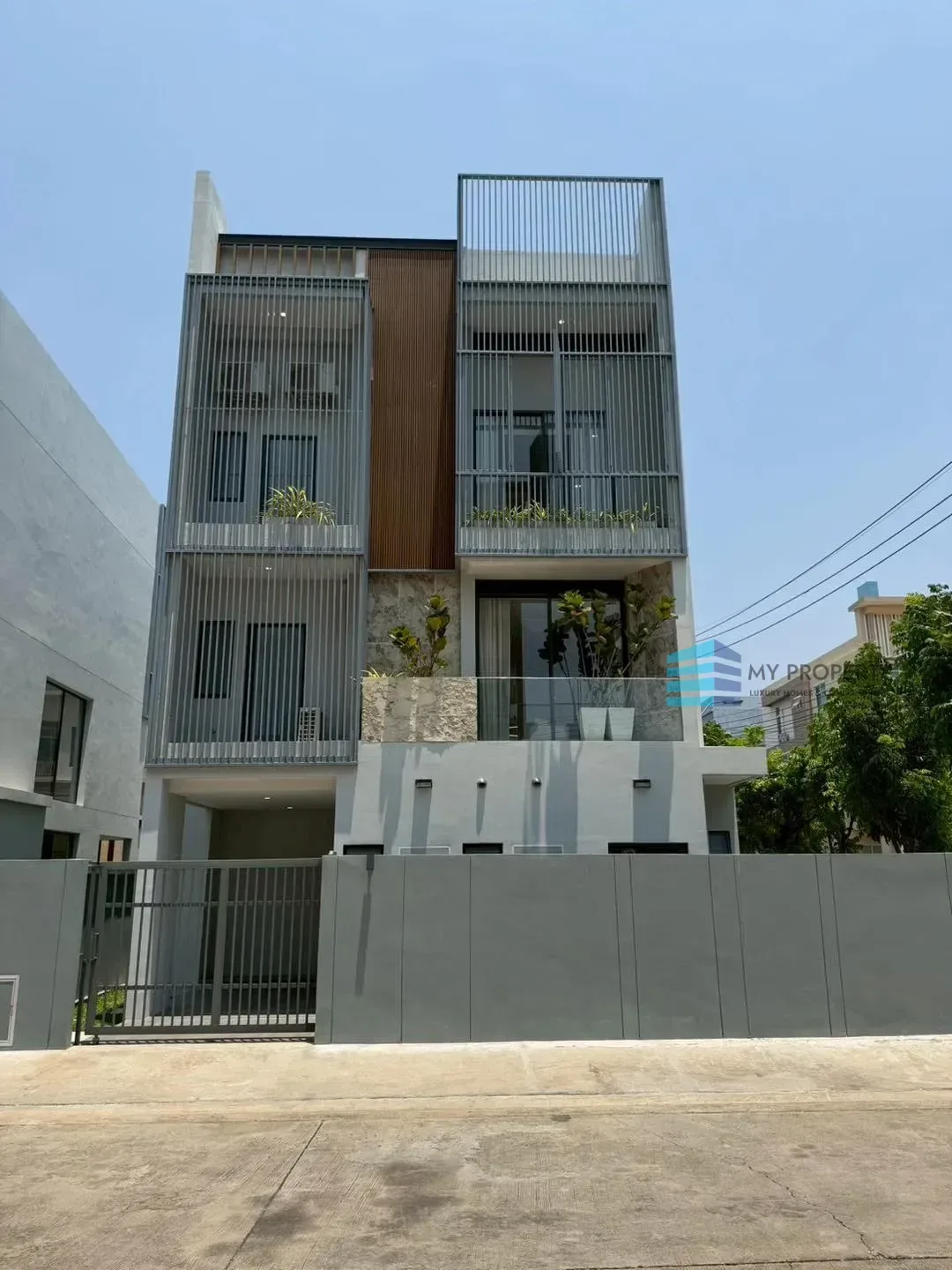
Every August, homeowners meet the same problems: water stains spreading across ceilings, paint blistering, musty smells in closed rooms, drains backing up after half an hour of heavy rain. Few of these appear overnight; they accumulate from small points nobody checked at the end of the dry season. August to October is the wettest, stormiest stretch of the Thai year, so a systematic walk-round early in the season saves far more than waiting for water to drip onto the bed before calling a technician.
Water entering through the roof travels along purlins, rafters or insulation before dripping onto the ceiling, sometimes metres from the actual hole. Patching directly above the stain often misses entirely. The effective method is to go into the ceiling void during or just after rain and follow the wet trail with a torch back to its source.
The most common failure points, in order: ridge and hip caps with cracked mortar; junctions between roof and wall (especially where an extension roof meets the original house); flashing with failed sealant; penetrations around pipes or posts; and tiles displaced or cracked by people walking on them. On metal-sheet roofs, check the screw washers for perished rubber or rust — screw holes are the most frequent entry point.
Gutters blocked by leaves, dust and nests overflow back under tiles or run down walls, leaving algae and lingering damp. Clear the whole run early in the season, fit leaf guards at downpipe outlets, and pour water through to confirm it flows freely without sagging sections where water pools. Downpipes must discharge away from the foundations rather than eroding soil against the wall, which can contribute to settlement over time.
Blistering paint, flaking, white salt deposits or black mould stem from three different causes:
| Cause | Signs | Correct fix |
|---|---|---|
| Rain penetrating the external wall | Clearly worse after rain, usually on the weather-facing side | Seal external cracks, apply waterproof coating |
| Rising damp from the ground | Low on the wall, under about 1 m, salt deposits, present without rain | Damp-proofing at the wall base, chemical injection |
| Leaking pipe inside the wall | Localised patch unrelated to rain; water meter turns with taps closed | Locate and repair the pipe before touching the finish |
The most expensive mistake is scraping and repainting without fixing the cause — the new paint fails within months and you pay twice.
Wind-driven rain usually enters around aluminium window frames where sealant has cracked or shrunk. Inspect the sealant line inside and out; if it is gapped or detached, remove the old bead and re-apply rather than layering over it. Keep weep holes in sliding-window tracks clear or trapped water will overflow indoors. On balconies and roof decks, check that falls lead water to the drain without ponding and that drain grates are clean.
Before heavy rain, lift the covers of the chambers around the house, remove accumulated silt and sand, and confirm the connection to the public drain flows well. In estates where the road has been resurfaced several times and now sits higher than the house, water can back up inside; a non-return valve on the drain line is inexpensive and invaluable on nights of prolonged downpour.
Damp and electricity are a dangerous pair. Press the test button on your residual-current device to confirm it still trips, check outdoor sockets and switches have weatherproof covers, and make sure outdoor water pumps are sheltered and earthed. If water leaks from the ceiling near a light fitting or cable, switch off that circuit immediately and call an electrician — do not keep using it.
Small jobs — resealing, replacing a cracked tile, re-bedding a cap — can be done during dry spells of a few days. Major work such as re-roofing or structural changes should wait for the dry season; use tarpaulins or waterproof tape as a temporary fix meanwhile.
If water enters through the building's external walls or roof deck, which are common property, it is generally the juristic person's responsibility. Report it in writing with photos and follow up formally.
Mould is a symptom of moisture. Find the moisture source first, improve ventilation and run a dehumidifier in closed rooms, then treat with anti-mould solution and mould-resistant paint once the cause is fixed.
Homes that come through the rainy season without trouble aren't lucky; their owners checked the risk points in advance. Start with the roof and gutters, then walls, windows, drains and electrics — a single weekend can prevent a great deal of damage. And if you are house-hunting, use the rainy season to your advantage: it exposes hidden problems more clearly than any other time. Browse curated homes and condos at MyProperty.
Was this article helpful?
Hand-picked listings related to this article
 Lifestyle
More Thais live alone than ever — young professionals, the never-married, divorced and widowed. Choosing the right size and type of home, safety and emergency planning, buying on a single income, running costs, community and the small design choices that make a one-person home comfortable.
 Lifestyle
As the cool season approaches, fine-dust levels in Bangkok and the North typically rise. How to keep indoor air cleaner: choosing and sizing purifiers, sealing a house or condo, ventilating without letting dust in, air-con filters, indoor pollution sources, checking air quality, and what plants can and can't do.
 Lifestyle
Charging an EV overnight at home is the cheapest and most convenient option — if the house is ready. Portable versus wall chargers, checking meter and main capacity, dedicated circuits and the right residual-current protection, applying for a time-of-use meter, and calculating whether it saves money for your household.