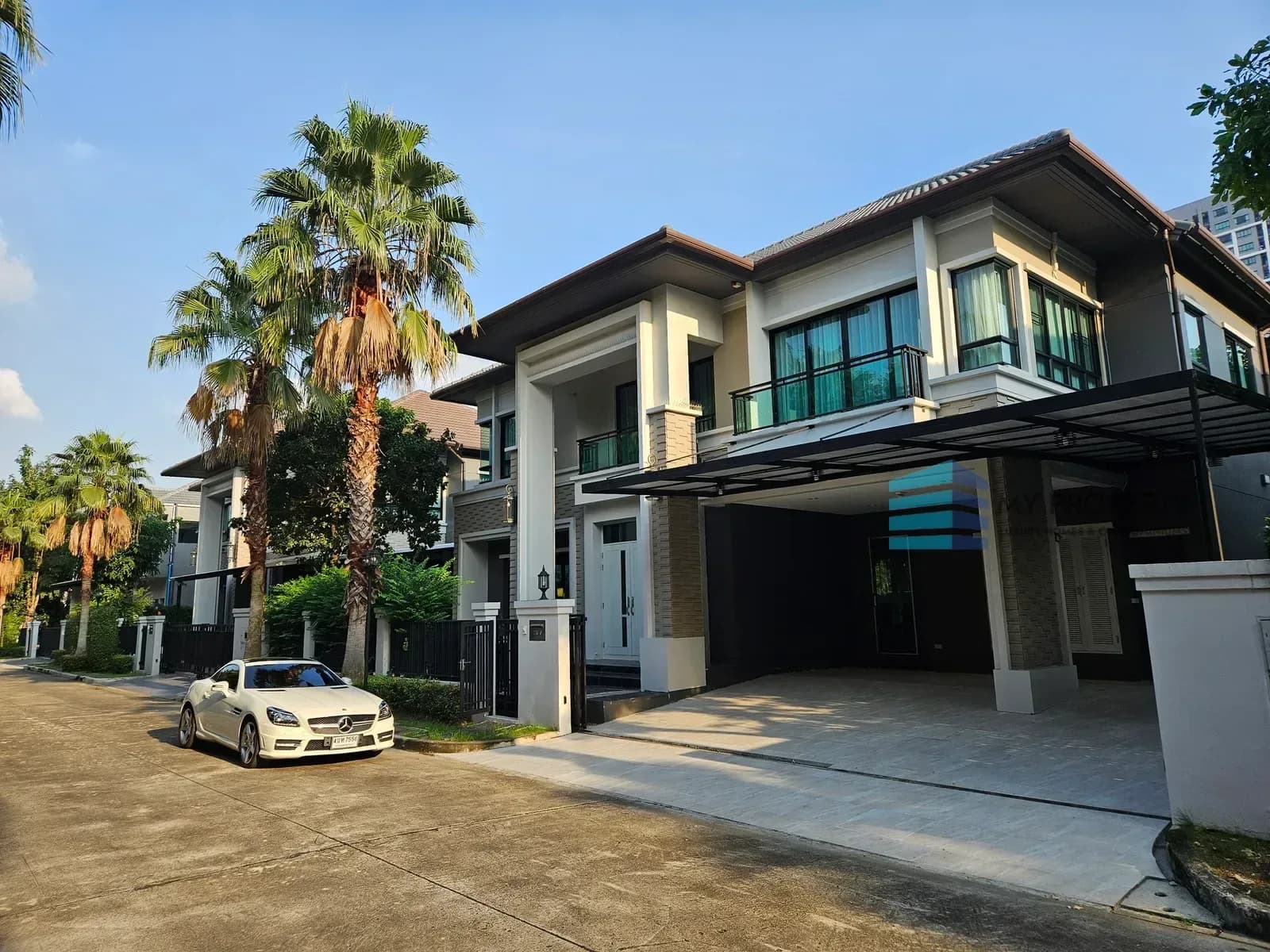
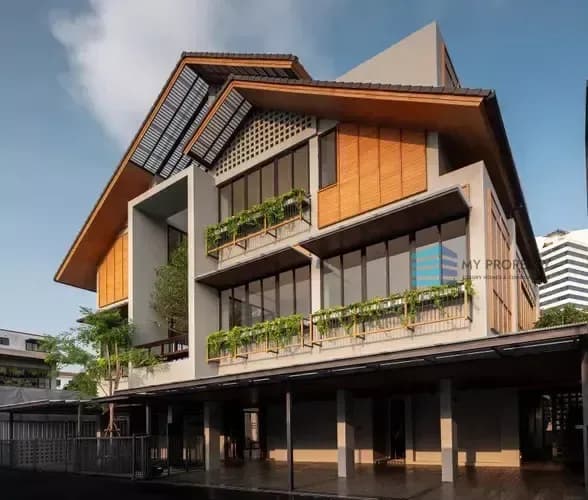
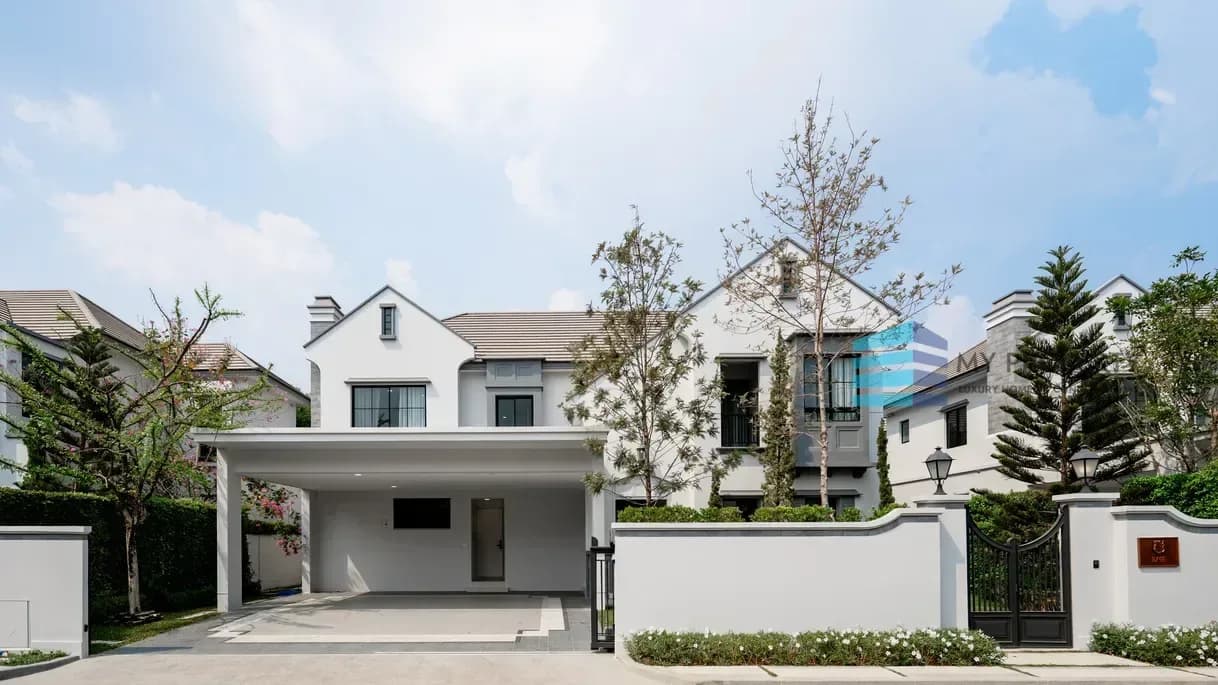
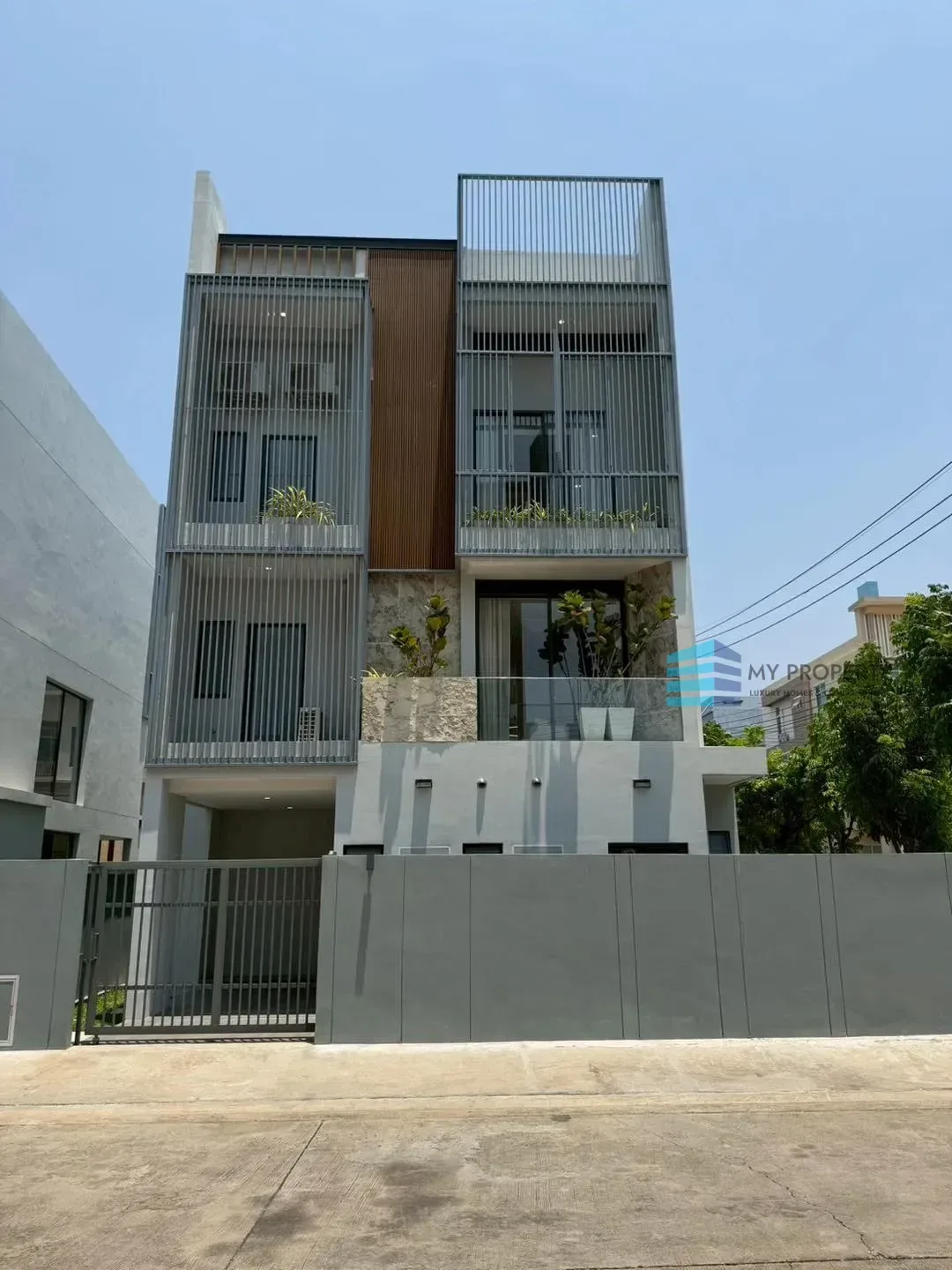
When the BTS Sukhumvit Line's northern extension opened to Khu Khot station, in Lam Luk Ka district of Pathum Thani, an area once considered far from the city became linked to central Bangkok on a single line without changes. Lam Luk Ka became an option for young workers and families wanting low-rise homes on a budget while still commuting by rail.
Mainly Bangkok workers wanting their own home when city prices are out of reach; families wanting a townhome or small detached house instead of a condo; people working in north Bangkok — Don Mueang, Saphan Mai and nearby government agencies; and those working in Rangsit and nearby industrial estates. Tenants include company staff, civil servants and families not yet ready to buy.
From Khu Khot to central areas like Siam or Sukhumvit takes a fair while on the train given the number of stations, but travel time is predictable, unaffected by traffic, and requires no transfer for people working along the Sukhumvit Line. Long-distance fares are a recurring cost to factor in. Most Lam Luk Ka estates lie several kilometres from the station, so residents use cars, songthaews or motorbike taxis to reach it, and parking near the station is limited.
| Zone | Character | Suits |
|---|---|---|
| Near Khu Khot and Saphan Mai stations | Condos and shophouses near rail | Workers wanting to walk to the station |
| Lam Luk Ka Road, inner stretch (Khlong 2–4) | Many townhome and detached estates | Car-owning families, first-time buyers |
| Lam Luk Ka Road, outer stretch (Khlong 5 onward) | Lower prices, larger plots, rural feel | Those wanting more space on a budget |
| Link roads to Rangsit and Don Mueang | Near jobs and malls | People working in Rangsit and Don Mueang |
Lam Luk Ka was badly hit in past major floods, being low-lying and crossed by many canals. Many estates have since improved defences, but protection still varies widely. Ask how the estate fared in the major floods, check floor levels against the road, see whether the estate has dykes and pumps, and consider insurance covering flood. Choosing a flood-safe estate matters more than a slightly lower price.
It suits people working along the Sukhumvit Line who accept a longer commute in exchange for a bigger home at an affordable price. If your job requires multiple transfers, calculate carefully.
There are tenants wanting station proximity, but end-of-line rents aren't high and supply is significant; compare actual rents in nearby buildings first.
Rail access supports demand, but the area has abundant estate supply and remaining land, so rises tend to be gradual. Buy for long-term living.
Lam Luk Ka–Khu Khot offers affordable low-rise living with a rail link into town, in exchange for longer commutes. Choose estates with genuine flood protection and good management, and count the full commute. More at Pathum Thani properties.
Was this article helpful?
Hand-picked listings related to this article
 Real Estate
Factory-built homes promise faster construction and predictable costs, and they suit sites where skilled labour is scarce. How the main systems differ, what's still built on site, foundations, heat and insulation, permits, bank financing, resale perception and a checklist for choosing a manufacturer.
 Real Estate
The dream of a garden home on a few rai is common, and the pitfalls are predictable. Which title documents allow purchase and building, water from wells and canals, extending electricity, road access, flood-prone lowland, nearby farms and burning, land tax for agricultural use, and planning the build.
 Real Estate
Ramkhamhaeng has long been a student and commuter district with heavy traffic. The Airport Rail Link and Yellow Line already meet at Hua Mak, and the Orange Line's eastern section is set to change the corridor. Sub-areas, rental demand, the opening-date question and how to buy sensibly before the trains run.