
The statistic that best tells Bangkok's property story this year is not new-project sales but the growing share of people who want to buy and cannot. With banks tightening credit against elevated household debt, mortgage applications from lower- and middle-income earners keep being declined at high rates. Those people do not leave the market — they switch sides, from buyer to renter — and that migration is making Bangkok's rental market its strongest in years. This analysis maps the demand structure, the changed tenant behaviour, and the strategy landlords should adopt.
First, the narrowed credit gate: whoever fails a mortgage application today is a renter for at least the next three to five years while saving a deposit and repairing credit. Second, the changed nature of work — short contracts, freelancing, faster job-hopping and hybrid arrangements — makes people choose housing by life stage rather than by a 30-year installment; flexibility has become an asset, and rent is its price. Third, attitude: younger tenants increasingly see renting not as "burning money" but as paying for a housing service that transfers interest-rate, maintenance and liquidity risk to the landlord, while their capital works elsewhere.
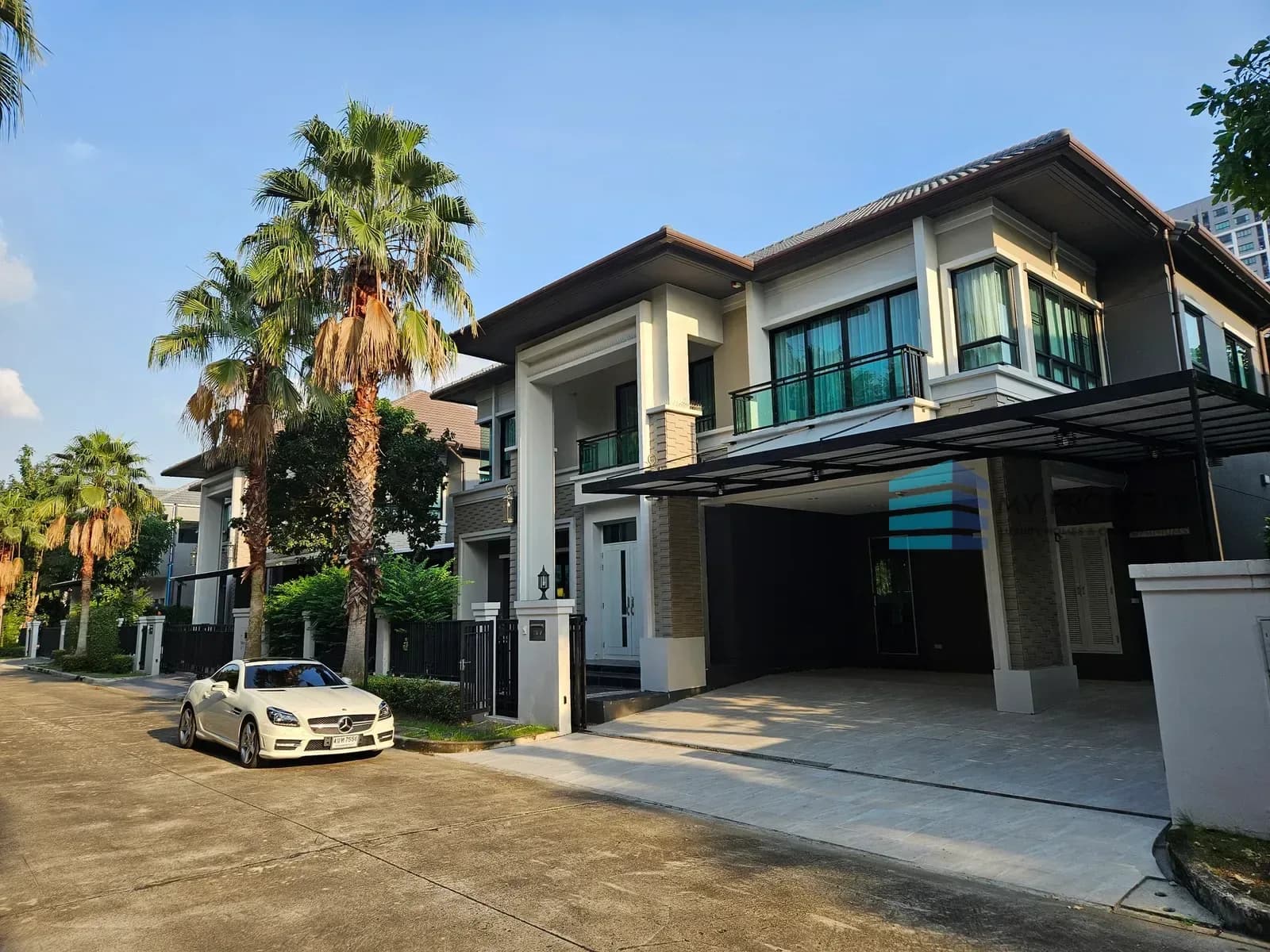
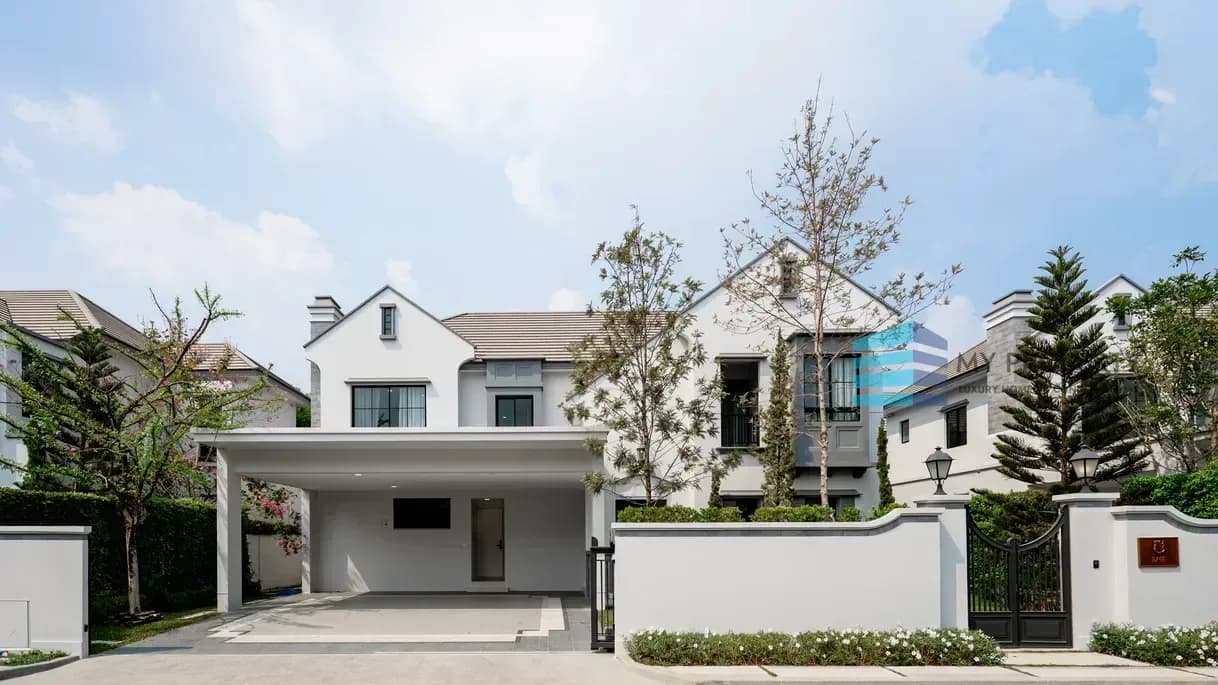
The first and largest ring is transit-line condos renting at 8,000–20,000 THB a month — the heart of the market serving most of the city's office workforce. Genuinely walkable units in this band rarely sit vacant, especially along extensions where rents remain far below the core but the CBD is thirty minutes away by train. The second ring hugs specific employment anchors: major hospitals (medical staff are exceptionally stable tenants), universities, and rising office districts like Rama 9 where rental demand grows with the towers. The third, least discussed but fastest-growing ring is landed rental homes — families who failed mortgage approval but need space for children and pets. Suburban townhomes and houses at 15,000–35,000 THB now let noticeably faster, against a supply that stays thin because most owners bought to live, not to let.
| Factor | Effect on rent / closing speed |
|---|---|
| True move-in readiness (fully furnished, complete appliances, fresh condition) | Significantly faster signings and a 15–30% premium over bare units |
| Strong internet / a real work corner | A standard question in the hybrid era — pre-built WFH corners win |
| Pet-friendly | Deeply undersupplied; accepting owners earn premiums and unusually long-staying tenants |
| Flexible terms (6-month / auto-renew) | Expands the base of contract workers and mid-term expats |
| In-unit washing machine | A small variable that decides deals surprisingly often |
The common theme is friction removal: today's tenants compare many units quickly and choose the one where life simply starts on arrival. Owners who invest a few extra tens of thousands to close these gaps typically recover it twice — through higher rent and shorter vacancy, the two variables that drive realised returns more than the purchase price does.
On price: never set rent from your own costs (installment plus wishful margin); set it from the building's and area's real market, adjusted for condition. A unit priced 10% above market in a market with choice sits empty until the hoped-for excess is consumed by incomeless months. On product: use the table above as an investment checklist — full standard furnishing, ready internet, a work corner, and serious consideration of pets where the building allows, the scarcest premium of all. On contracts: run them professionally — inventory annex, two months' deposit, clear return terms, and a renewal conversation opened 60 days early with terms that make a good tenant want to stay. Keeping a good tenant another year is worth more than a 500-baht increase that risks two vacant months — the arithmetic new landlords miscalculate most.
Demand is real, but returns still hinge on unit-level price and location. The rule doesn't change: net yield after fees, insurance, maintenance and vacancy allowance must clearly beat your cost of capital. Buy because the numbers pass, not because of the narrative — and well-located resale units priced far below neighbouring new launches usually run better numbers than brand-new stock.
The direction favours increases in genuine-demand locations, powered by the steady inflow of new renters — but unevenly. Where new condo supply lands in bulk, rents stay suppressed for a while. Watch new supply around your own asset rather than citywide averages.
Daily letting in condominiums collides with hotel law and most building rules — high risk and a different business. For ordinary owners, excelling at monthly rentals — ready product, market pricing, screened tenants, systematic renewals — earns steadier returns and much better sleep.
Bangkok's structure now tilts decisively toward renting, and will while the credit gate stays narrow and work stays mobile. For tenants it is an era of choice and bargaining power; for landlords, a market that rewards professionalism — genuinely ready product, market-literate pricing, and long-term tenant retention. Do those three things and the renter's decade is a landlord's decade too. Browse rental and investment properties at MyProperty listings.
Was this article helpful?
Hand-picked listings related to this article
 Market Insights
July closed the first full month of H2 with the same paradox: soft buying, strong renting, and developers quietly repricing. The month's signals, what they mean for buyers, sellers and landlords, and the setup into Q4.
 Market Insights
Chiang Mai offers Bangkok-quality living at half the price, powered by students, digital nomads and retirees. Zone-by-zone prices, rental yields, and the two risks buyers must respect.
 Market Insights
The Eastern Economic Corridor is Thailand's new growth engine. How much does Chonburi–Rayong property benefit?